 BE
BE  NL
NL 
Batteries
An AED is powered by a battery. Just like the batteries in everyday devices such as a mobile phone or flashlight, an AED battery does not last forever. Has your AED battery reached its expiry date, or does your AED indicate that the battery needs to be replaced? Replacing the battery ensures that your AED is ready for use again as quickly as possible.
Read more: What AED accessories are there and why are they important?
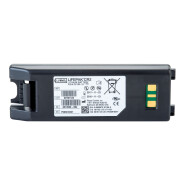
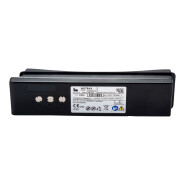
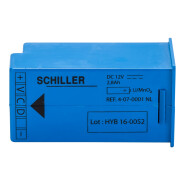
Filter
Buying an AED battery: how do you choose the right battery?
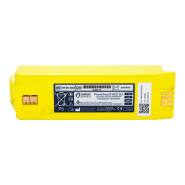
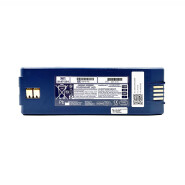
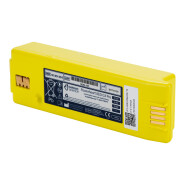
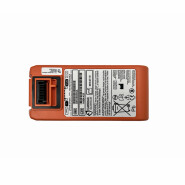
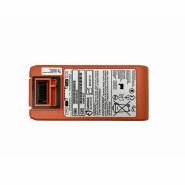
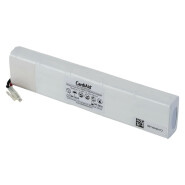
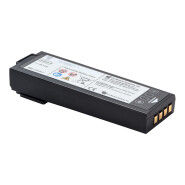
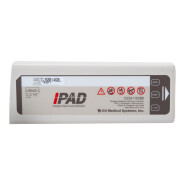
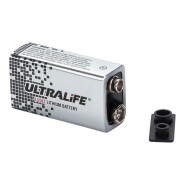
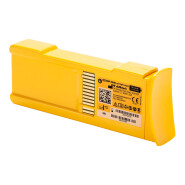
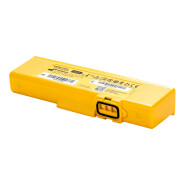
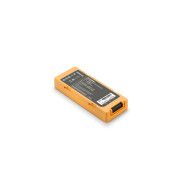
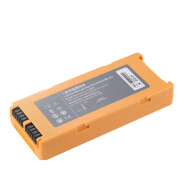
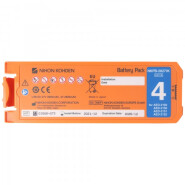
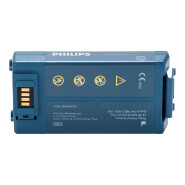
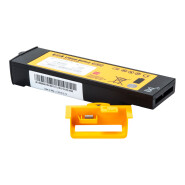
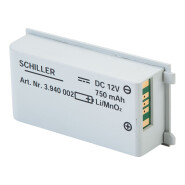
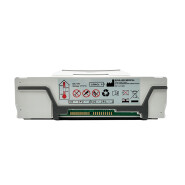
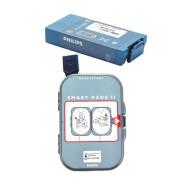
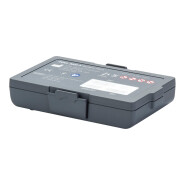
Just like electrodes, batteries are not universal. Every brand, such as Mindray, Philips, Defibtech, or HeartSine, uses its own type of battery or pack with a specific connector. In the overview above, you can easily filter by the brand of your AED. This ensures that the battery you purchase will actually fit your AED. When ordering, please note that some brands have different models that look similar: the type number of your AED (often found on the back) will help you make the right match. Need help? Our Customer Service is ready to assist you with free, non-binding advice.
Comparing lifespan and standby time
For a battery, you will usually see a standby time listed, for example 7 years. This is the period the battery can remain in an unused AED while the device carries out daily self-tests. Do you use the AED during a deployment or training? This consumes additional power, meaning the battery may run out sooner than the indicated standby lifespan.
How do you recognize a (nearly) empty battery?
Almost every AED signals automatically when the battery voltage becomes too low. This often happens via a beep or a flashing red light (the status indicator). As soon as you notice such a signal, it is important to order a new battery in our webshop immediately. Although the AED usually retains enough reserve power for one deployment, replacing it promptly prevents the AED from failing during an emergency.
Installing a new battery
Replacing an AED battery is fairly simple and can usually be done by yourself. On most models, you slide or click the old battery out first and then click the new battery into the same spot. Once you have inserted the new battery, the AED runs an extensive self-test to check if everything works properly again. If a green light shines or a checkmark is visible on the AED after this test, you know your AED is ready for use once more. Afterward, do not forget to hand in the old lithium battery at a collection point for chemical waste.