

• Ordered before 4 PM? If in stock, you'll have it tomorrow.
  • Free shipping from €25.00 in the Benelux.
AED-Partner Logo
AED-Partner Logo

How does an AED work?

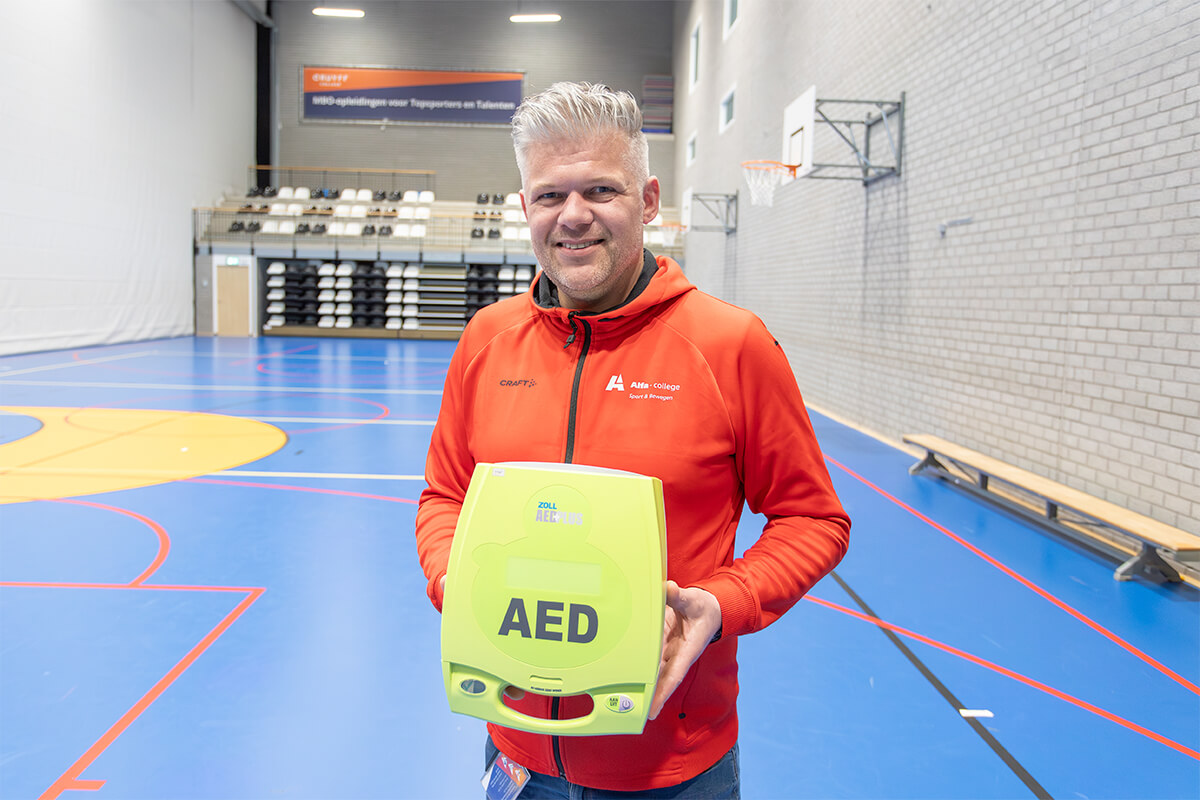
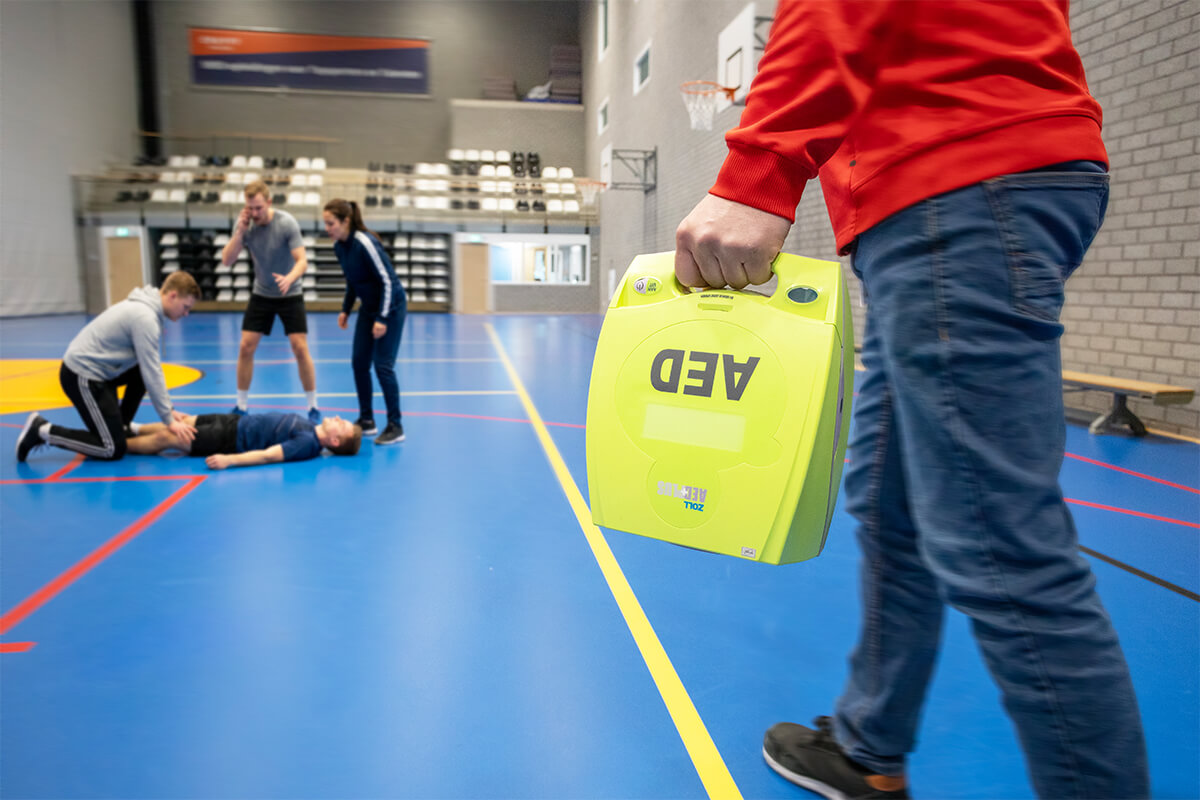
Man rents AED for a medical situation in a sports hall
An AED can deliver an electric shock to the heart during cardiac arrest* to stimulate a normal heart rhythm. The sooner, the better! If the first shock is given within 2 minutes, the victim's chance of survival is around 80%. After that, this chance decreases by 10% every minute.
Safety first: An AED never delivers a shock unnecessarily. The AED will only administer a shock if it is properly connected and detects a shockable heart rhythm (such as ventricular fibrillation).
In common parlance, people often speak of a ‘cardiac arrest’. Officially, it is referred to as circulatory arrest, because the heart is still beating (chaotically), but is no longer pumping blood.

Step-by-step guide: how to use an AED?

Do you want to use an AED? Then turn on the AED with the ON button or by opening the cover. After this, listen carefully to the spoken and/or visual instructions.

1. Place electrodes:

Place the two adhesive electrodes on the victim's bare chest (refer to the images on the pads).
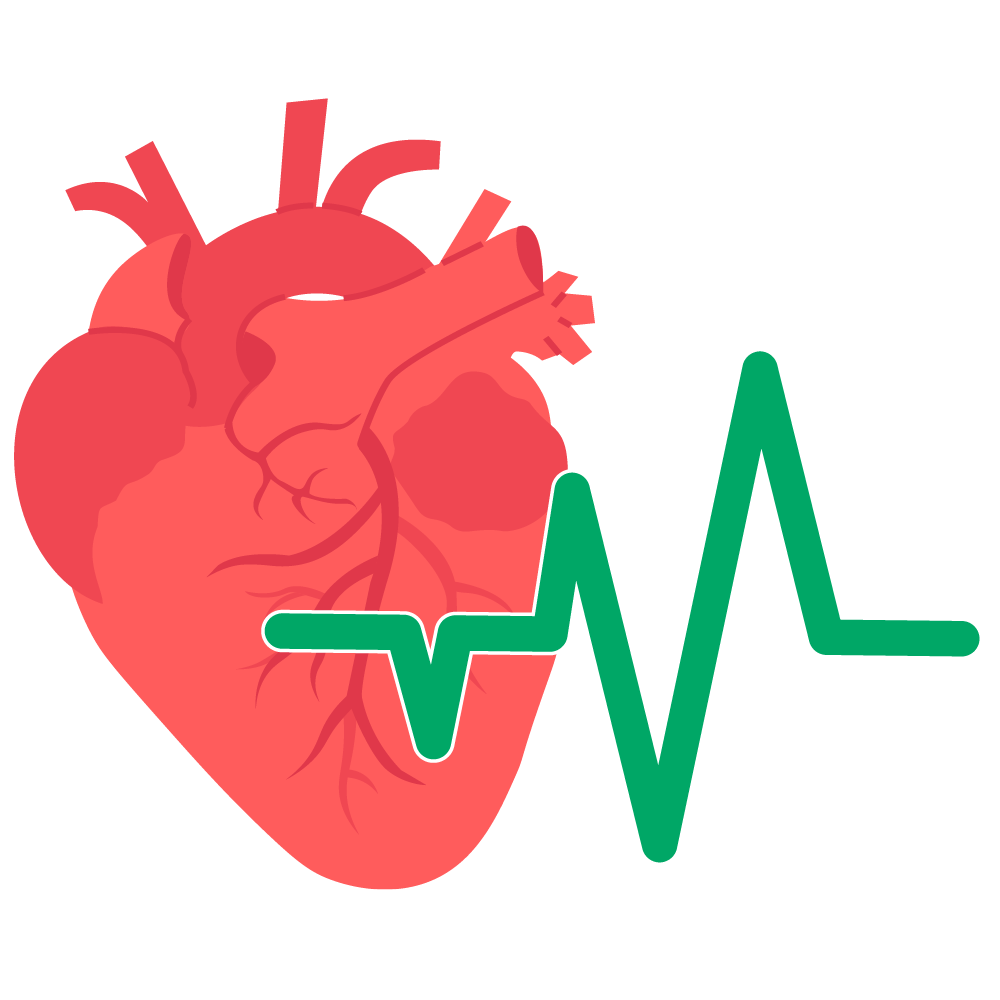
Illustration of a heart with a heartbeat

2. Analyze:

The AED is now automatically analyzing the heart's activity. Do not touch the victim.
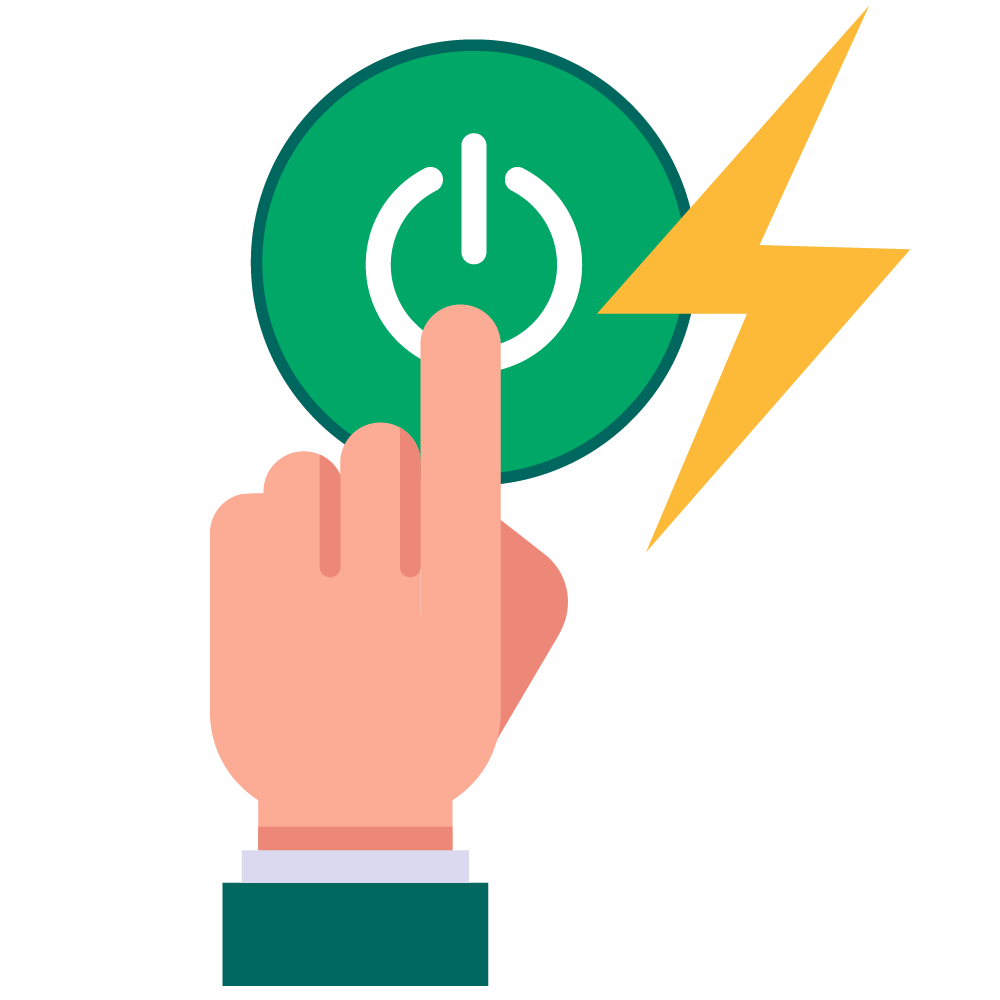
Illustration of a hand pressing the shock button

3. The shock:

Does the AED detect a shockable rhythm? If so, the AED will automatically or manually (with the shock button) administer a shock. Does the AED not detect a shockable rhythm? For example, because the heart has stopped completely? In that case, the AED will not administer a shock and will instruct you to continue with CPR.

Resuscitation in 6 steps

  • Gently shake their shoulders and ask, ‘Are you okay?’

  • No response? The victim may be unconscious. Stay with the victim and call for help.

  • Are you alone? Then call 112 yourself and put your phone on speaker. This way, the control room can help you while you're performing CPR.

  • Are multiple people present? If so, have one person call 112 and ask someone else to get an AED immediately.

  • Check the victim's breathing.

  • If there is no normal breathing, you are alone, and an AED is available nearby, retrieve the AED quickly.

  • Place your hands on top of each other in the middle of your chest.
    Push the sternum in 5-6 cm.
    Do this 30 times, at a pace of at least 100-100 times per minute.

  • A number of AEDs feature active CPR feedback; follow this to optimize the quality of resuscitation.

  • Resuscitate the victim twice.

  • Continue resuscitation and alternate 30 chest compressions with 2 breaths.

  • Is anyone else present? Then take turns every 2 minutes.

  • Always interrupt resuscitation for as short a time as possible.

  • As soon as the AED arrives: Turn it on with the ON button or open the lid.

  • Follow the (spoken) instructions.

  • Some AEDs provide real-time CPR feedback. Follow these instructions to optimize the quality of the CPR.

  • Attach the electrodes to the exposed chest

  • Follow the instructions of the AED until an ambulance worker tells you to stop.

  • We are on location within 6 hours.
  • We replace the electrodes and the battery if necessary. This way, the AED is quickly ready for use again!
  • If requested by the cardiologist, we read out the ECG data and send it to him or her.

We make your heart beat

Our advantages

  • Large assortment of AEDs
  • Honest advice
  • Fast delivery
  • 24/7 service & maintenance

© AED-Partner 2026

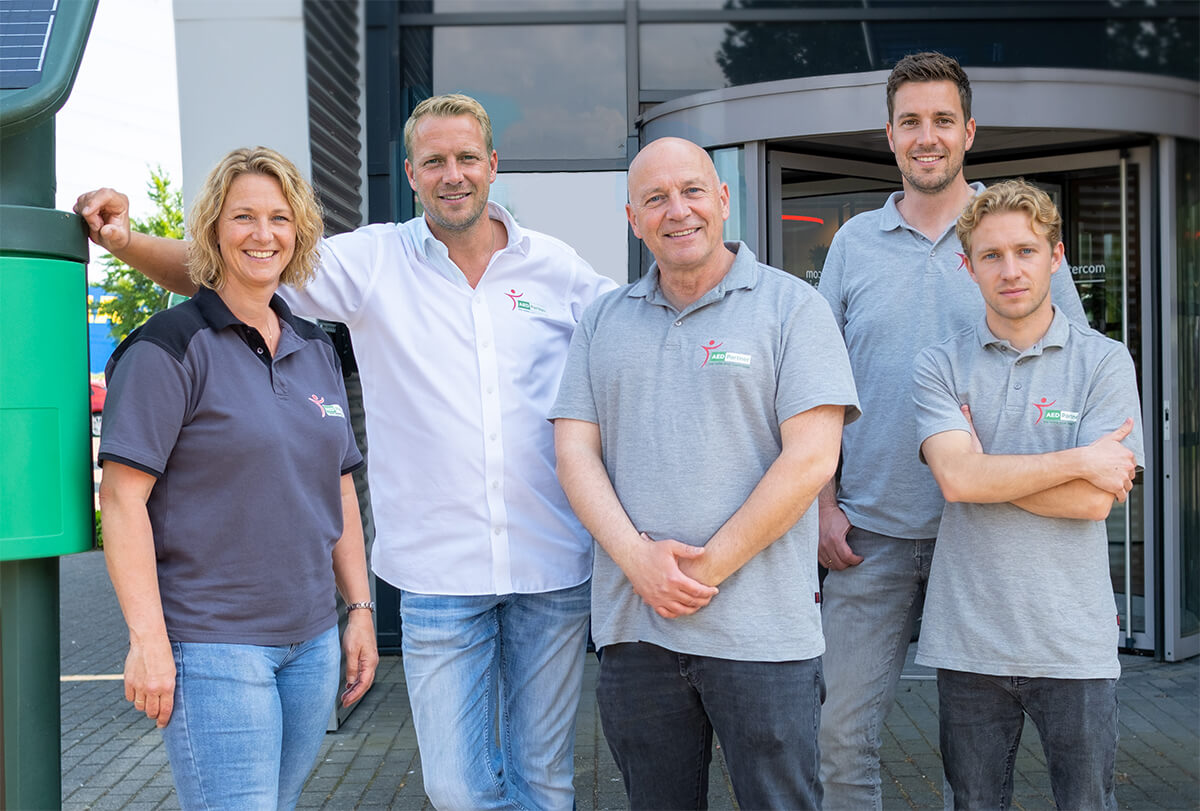
Five employees of AED-Partner pose for the entrance of the office

Thank you for your application!

Our team will contact you as soon as possible for personal, no-obligation advice tailored to your situation.