 BE
BE  NL
NL 
Netherlands
Ekkersrijt 4301, 5692 DJ, Son
+32 (0)11 42 03 45
info@aedpartner.be
Belgium
Everselstraat 133, 3580 Beringen
+32 (0)11 42 03 45
info@aedpartner.be
© AED-Partner 2026
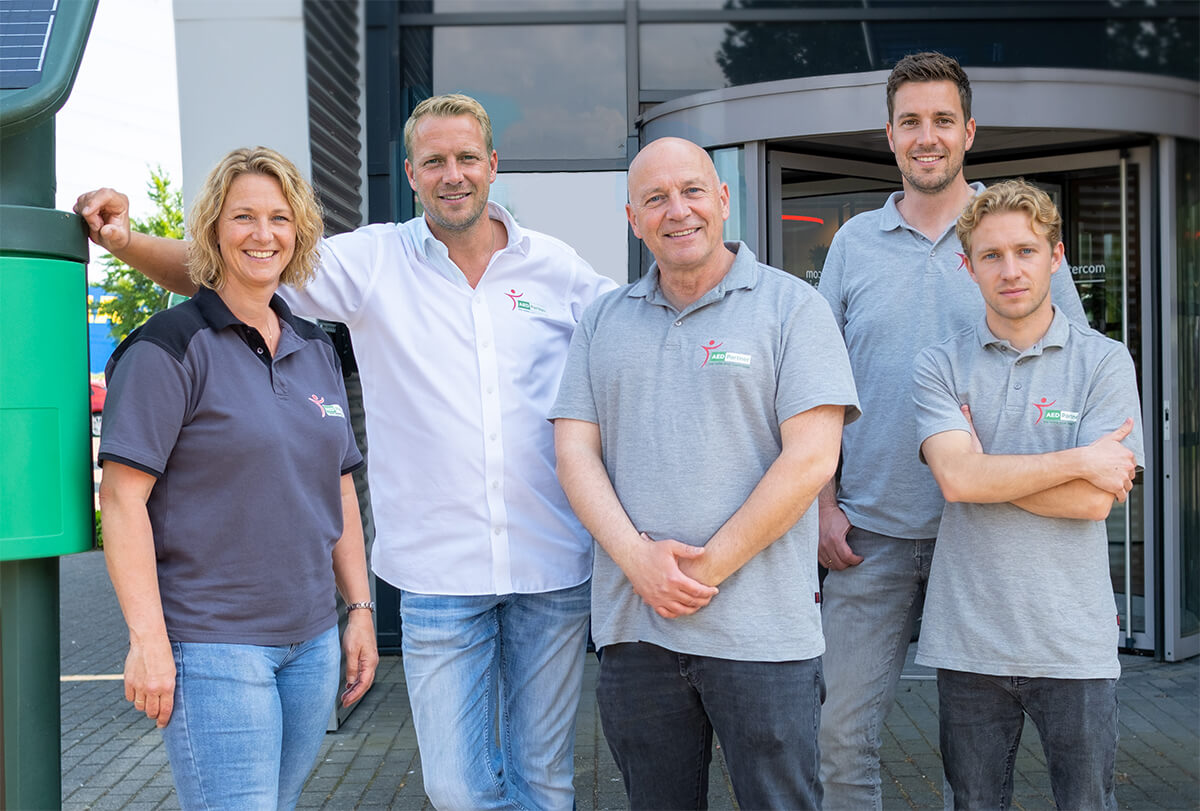
Our team will contact you as soon as possible for personal, no-obligation advice tailored to your situation.
 Dutch Dutch
  Dutch (Belgium)
 French
English (Belgium)
English (Netherlands)
French
English (Belgium)
English (Netherlands)