 BE
BE  NL
NL 
Elektrodes
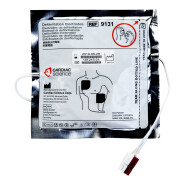
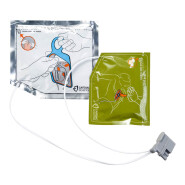
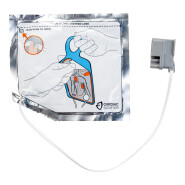
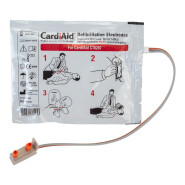
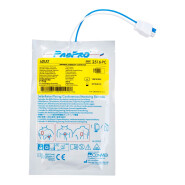
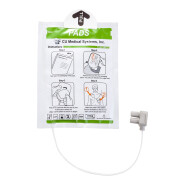
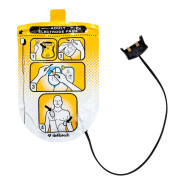
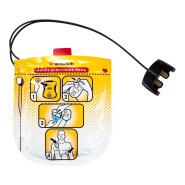
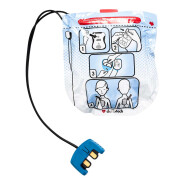
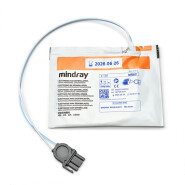
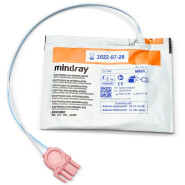
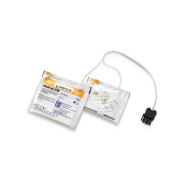
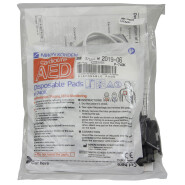
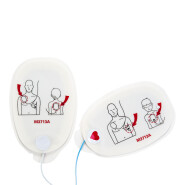
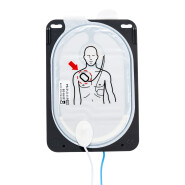
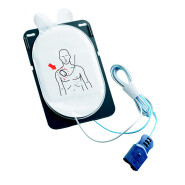
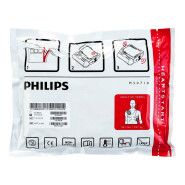
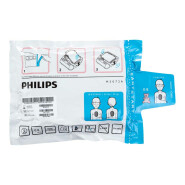
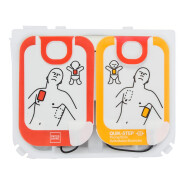
During a resuscitation with an AED, the self-adhesive AED electrode pads are placed on the victim's chest. The AED then delivers an electrical shock to the heart through the electrode pads. The better the pads adhere to the skin, the more effective the electrical conduction. That is why it is essential that the adhesive gel layer of the electrode pads is neither dried out nor damaged. The electrode pads must always be replaced after use and before their expiry date.
Read more: What AED accessories are there and why are they important?
Filter
Buying AED electrodes: how do you choose the right electrodes?
Every AED has its own type of plug and connector. It is therefore important that you order the correct electrodes so that they function properly in an emergency. In the product overview above, you can easily filter by the brand of your AED, such as ZOLL or Philips. Not sure which AED model you have? Check the sticker on the back of your AED or check the type on the old packaging. Can't figure it out? You can also call our Customer Service for help.
When should you replace electrodes?
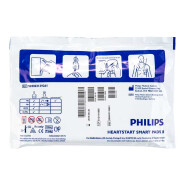
Electrodes always have an expiration date. This is due to the gel layer on the pads, which dries out over time: if the gel is dry, the electrodes can no longer conduct the electrical shock effectively. Usually, electrodes last between two and five years. The exact expiration date can be found on the front of the packaging. Have you used the electrodes during a resuscitation, or is the packaging damaged? Then you must replace them immediately, even if the date has not yet passed.
Pediatric electrodes: when do you need them?
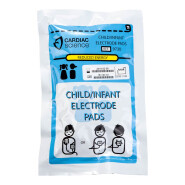
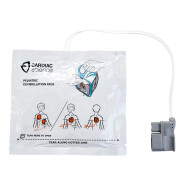
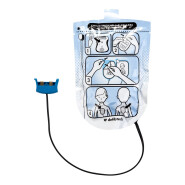
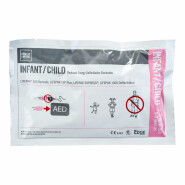
For babies and children up to 8 years old (or weighing less than 25 kg), special pediatric electrodes are available for certain AEDs. Among other things, these electrodes ensure that the AED delivers a lower level of energy, appropriate for a smaller body. Is your AED located in a place frequented by many children, such as a primary school or daycare center? Then it is wise to keep a pediatric set in stock alongside the regular electrodes. Some AEDs feature a special child button. In that case, you do not need a separate electrode set.
Storing electrodes safely and ready for use
To keep the electrode set in top condition, we advise always leaving them unopened in their original packaging. You should only tear open the packaging during an actual resuscitation. We recommend storing the electrodes in the AED's bag or carrying case so you can connect them quickly in an emergency. When storing, pay close attention so the cable and plug do not get trapped: this prevents damage! Opting for pre-connected electrodes? Then you can safely plug the connector into the AED prior to use.