
• Ordered before 4 PM? If in stock, you'll have it tomorrow.
  • Free shipping from €25.00 in the Benelux.
AED-Partner Logo
AED-Partner Logo

AEDs for offices

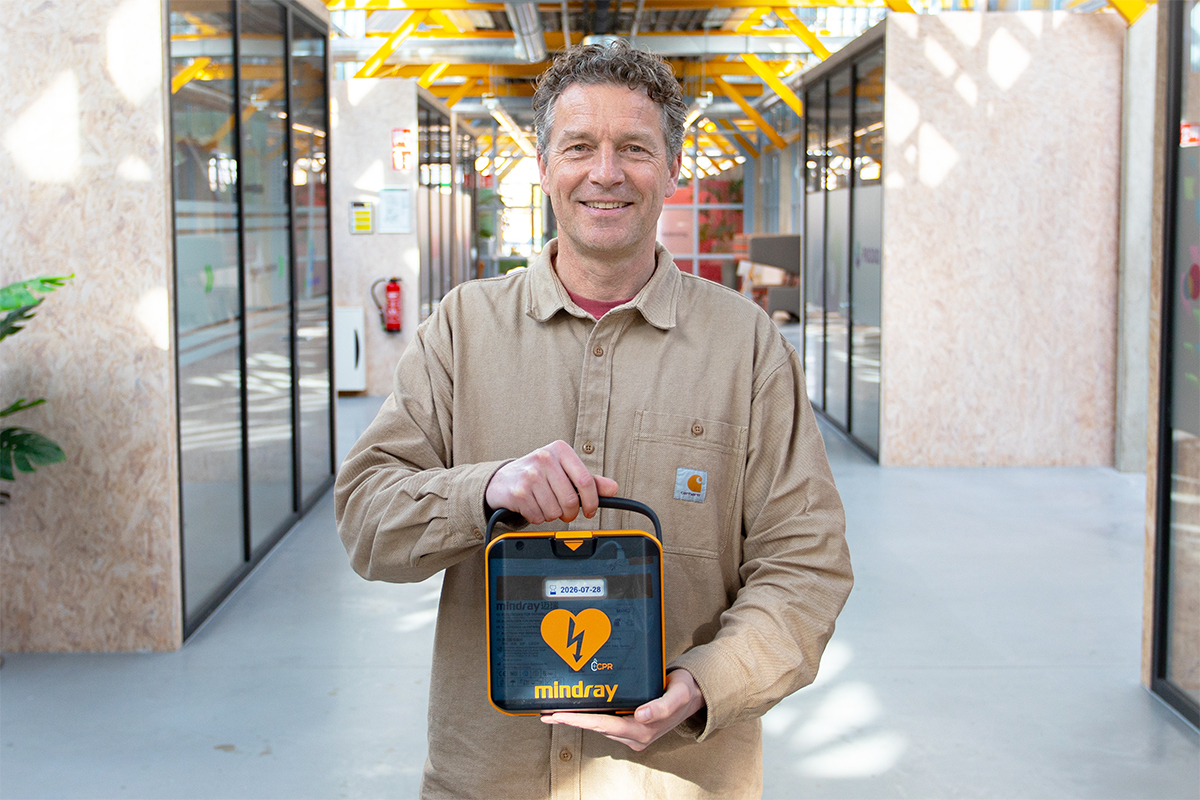
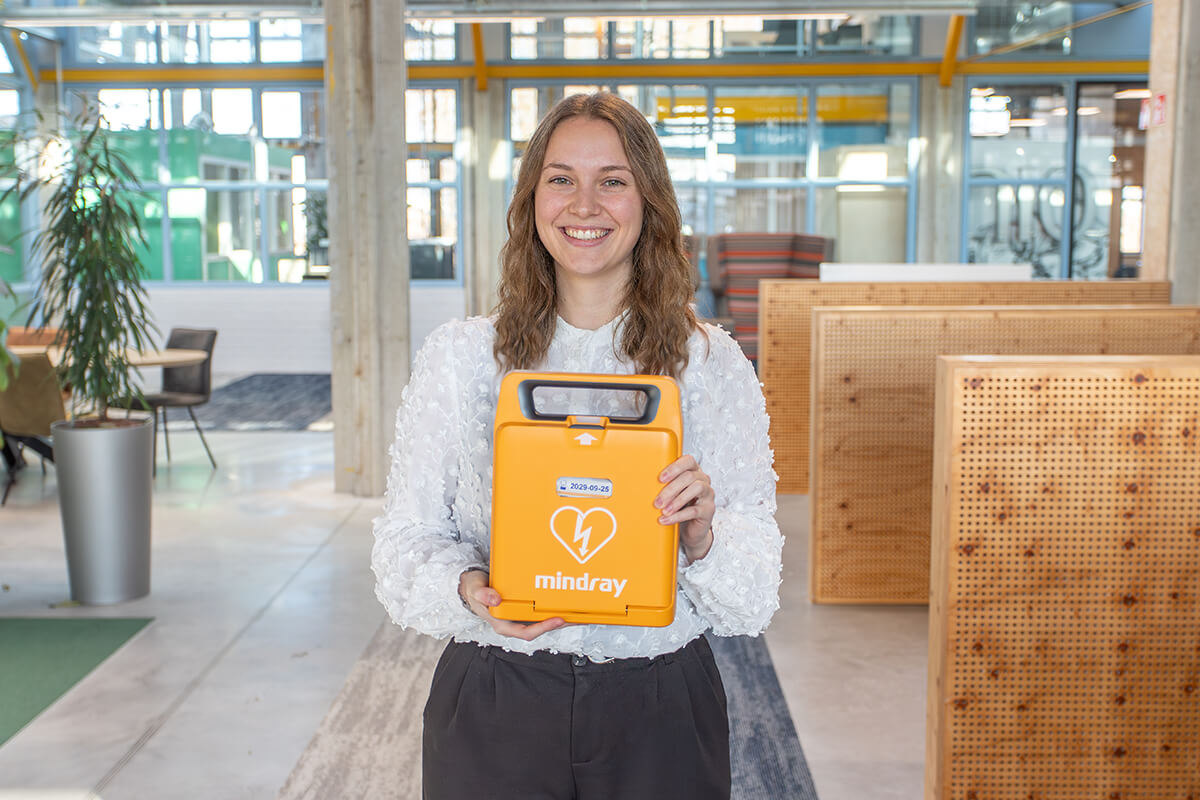
Man posing with Mindray L1 AED in the office hallway

A heart-safe workplace at the office

Most cardiac arrests happen outside of hospitals: often at home or in places where people gather, such as at work! With an AED in your company premises, you create a heart-safe workplace. If an employee or visitor has a cardiac arrest, the AED is nearby, so bystanders can quickly provide life-saving first aid until professional help arrives.

Which AED is suitable for an office?

For offices, AEDs with clear voice prompts are most suitable. User-friendliness is paramount here, ensuring the AED is also easy to operate by employees without a medical background. A high IP rating is not necessary for office environments. With our AED Choice Assistant, you can quickly and freely discover which AED suits your situation:

In short: AEDs for offices

  • Most cardiac arrests happen outside the hospital.
  • An AED in the office enables quick assistance in an emergency.
  • AEDs provide clear spoken instructions during resuscitation.
  • Place an AED in a visible and easily accessible location on the work floor.
  • Maintenance necessary for usability.

Why is an AED important in the office?

Various people are present in the office daily, such as: employees, visitors, and suppliers. If one of them suddenly suffers cardiac arrest, immediate help is vital. With cardiac arrest, the chance of survival decreases by 10% every minute. With an AED in the building, bystanders can quickly start CPR and use the AED before the ambulance arrives.
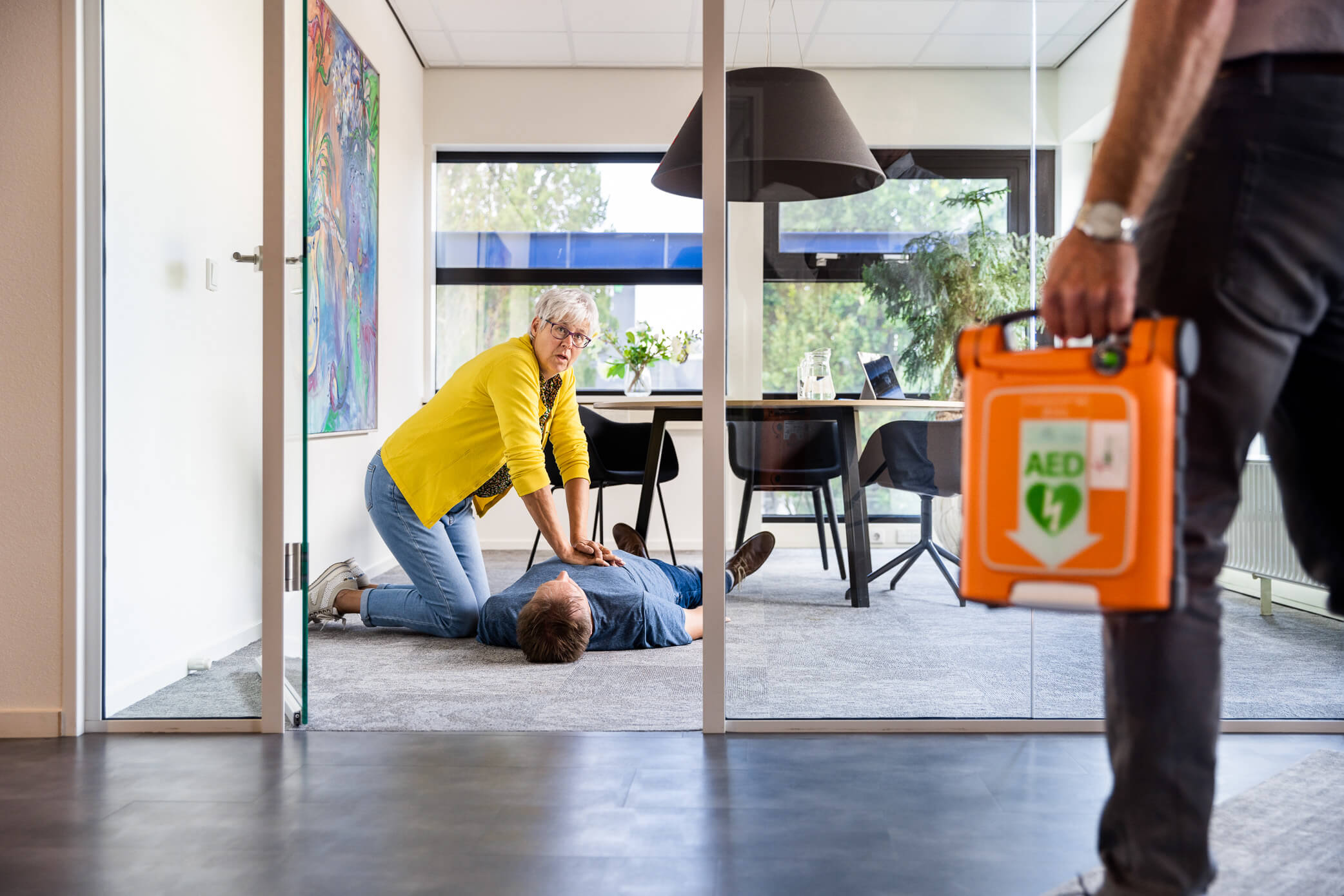
A woman resuscitates a man while help arrives quickly with an AED
Woman in office poses with Mindray AED

Is an AED mandatory for office buildings?

It is not legally required to place an AED in an office space. However, employers have a duty of care for a safe working environment according to the Belgian Working Conditions Act (Welzijnswet). Therefore, many employers opt for an AED in the office, supplemented by first aid training for (a selection of) employees.
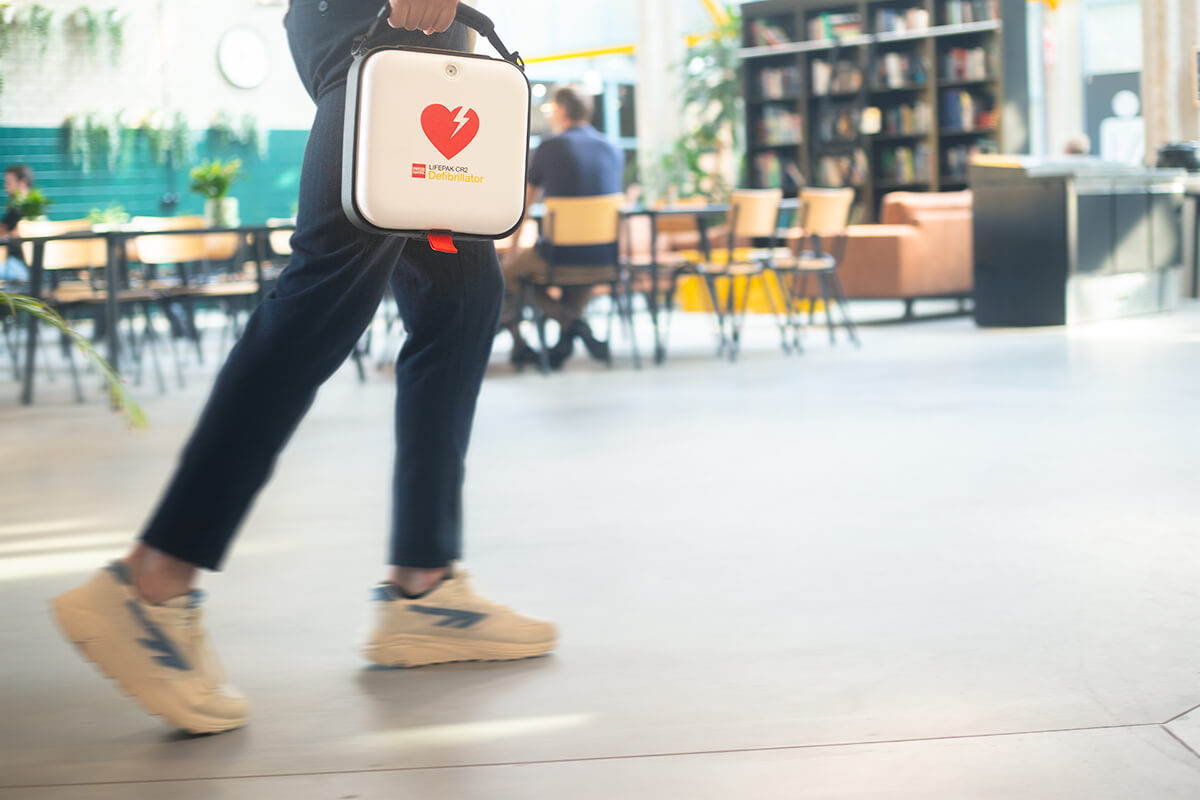
Man running through a brasserie with a defibrillator

Where do you place an AED in the office?

An AED must be quickly accessible and clearly visible. In an office, an AED is often placed at reception, in a central hall, in the canteen, or near an elevator. With signs and stickers, you can make it even clearer where to find the nearest AED. In larger buildings, it is sometimes necessary to place multiple AEDs so that all floors and departments are heart-safe.
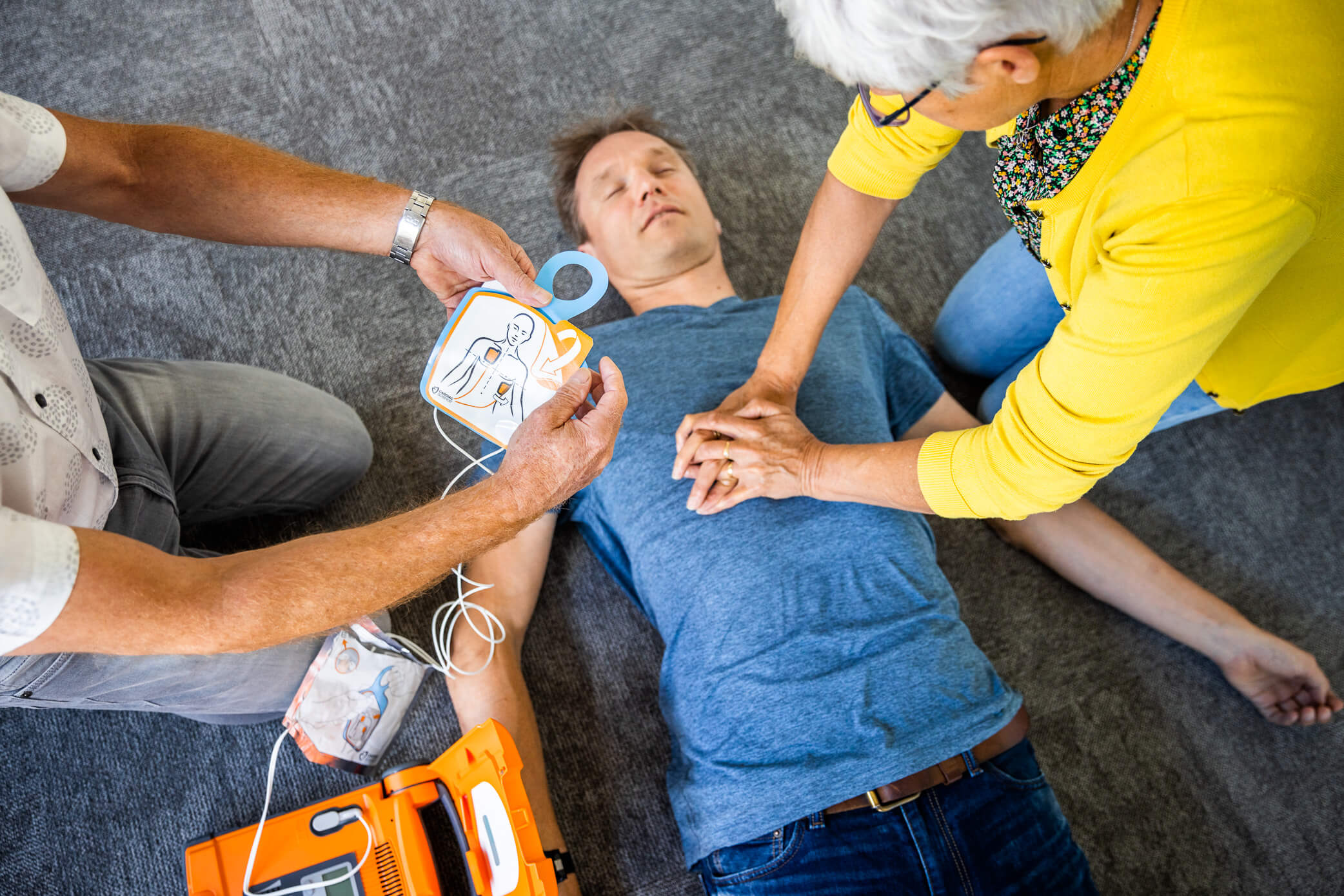
Twee personen reanimeren een persoon terwijl een man de elektroden openmaakt.

How much does an AED cost, including maintenance?

You pay for the purchase, installation, and maintenance. The precise investment varies per type of AED and the chosen service subscription. For large buildings, we are happy to assess with you whether one AED is sufficient or if multiple AEDs are needed throughout the building for comprehensive AED coverage.

Frequently asked questions

You protect an AED by placing it in a sturdy outdoor cabinet. These cabinets are often made of impact-resistant material and are also available with extra security options, such as a PIN code lock or an alarm that goes off as soon as the cabinet is opened. 

You can also prevent vandalism and theft by placing the cabinet in a conspicuous (busy) location within the view of cameras.

At AED-Partner you can also a theft insurance closing the deal. Is your AED stolen? Then we will ensure that you receive a replacement AED quickly.
The rule of thumb is that you should be able to administer the first shock within six minutes. This means that an AED should be accessible within a roughly two-minute walk, so that you also have time to run back and connect the AED. For a large floor area with obstacles or corridors, multiple devices are therefore often necessary. Our Customer Service is happy to help you with no-obligation advice.

Usually, one AED for multiple floors is not sufficient. In the event of cardiac arrest, it is vital that the victim is connected to an AED within 6 minutes. If you have to go up or down stairs or use an elevator to another floor to find an AED, you may not make that 6-minute window. Therefore, for optimal cardiac safety, it is often better to place an AED on each floor, or at every other floor. Our Customer Service gladly thinks with you about an efficient distribution and placement of AEDs.

In principle, anyone at the office may use the AED. Although company first responders (BHV'ers) are trained for this, it is important to act immediately in an emergency. The time until the first shock is crucial for the chance of survival. It is wise to instruct as many employees as possible on where the AED is located and how it works.

Yes, anyone is allowed to and can use an AED. An Automatic External Defibrillator is designed so that it can be operated by anyone, even without medical knowledge or a first aid certificate. As soon as you turn on the device, a voice tells you exactly what to do. The AED analyzes the heart rhythm itself and only delivers a shock if it is truly necessary. So you cannot do it wrong. The 112 emergency call center also guides you through the entire resuscitation process.

In Belgium, registering an AED is mandatory. This can be done via a form on the website of the FPS Public Health. Many AEDs are needed to ensure the best possible coverage. Every AED helps!

Get without obligation Personal advice + quote

For quick assistance, you can contact us by phone at +31 (0)499 49 00 16. Or leave your details via the form. Our staff are ready to assist you on working days between 8:30 and 18:00.

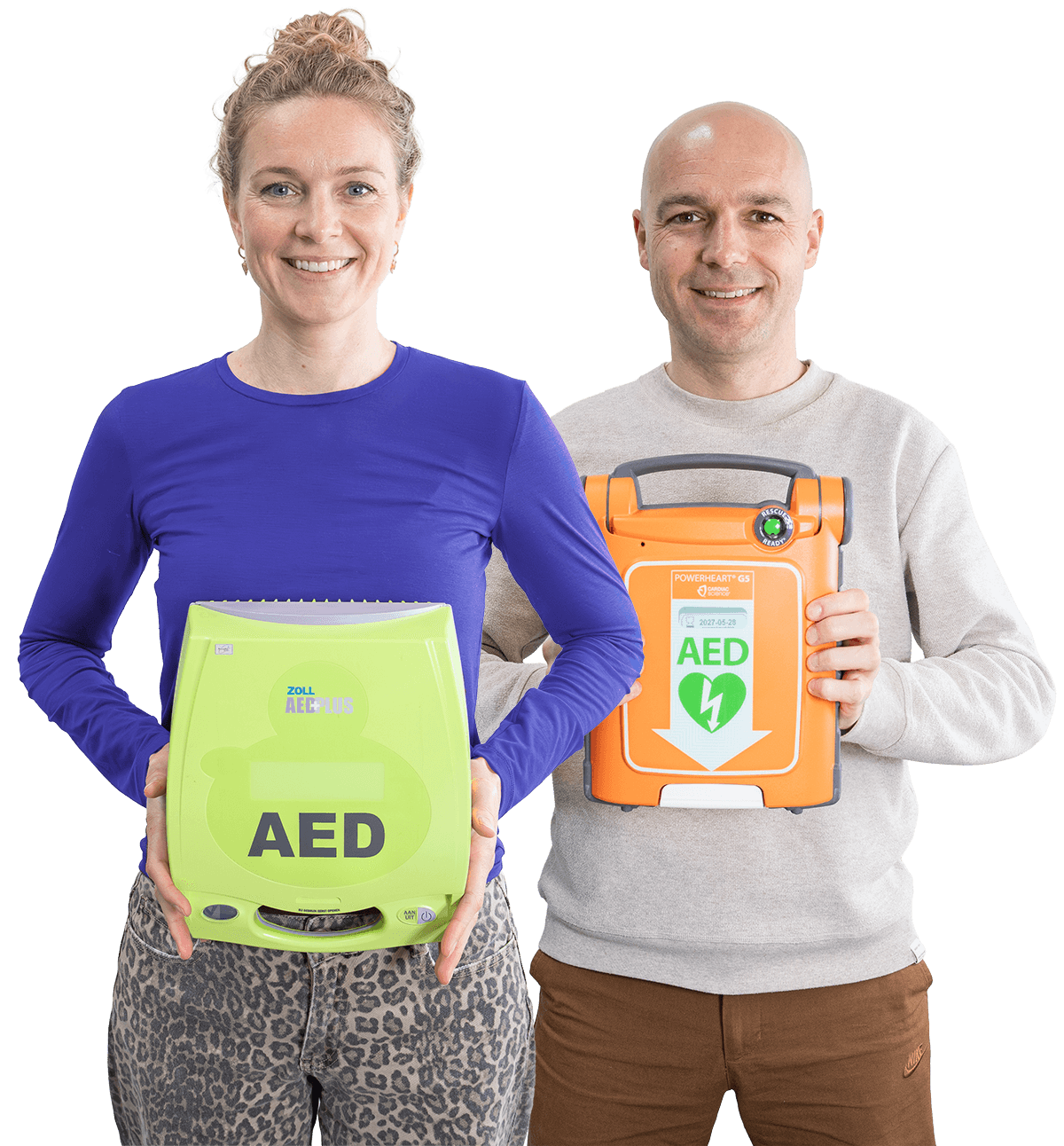
Man and woman posing with Zoll+ and Powerheart G5 AEDs.

We make your heart beat

Our advantages

  • Large assortment of AEDs
  • Honest advice
  • Fast delivery
  • 24/7 service & maintenance

© AED-Partner 2026

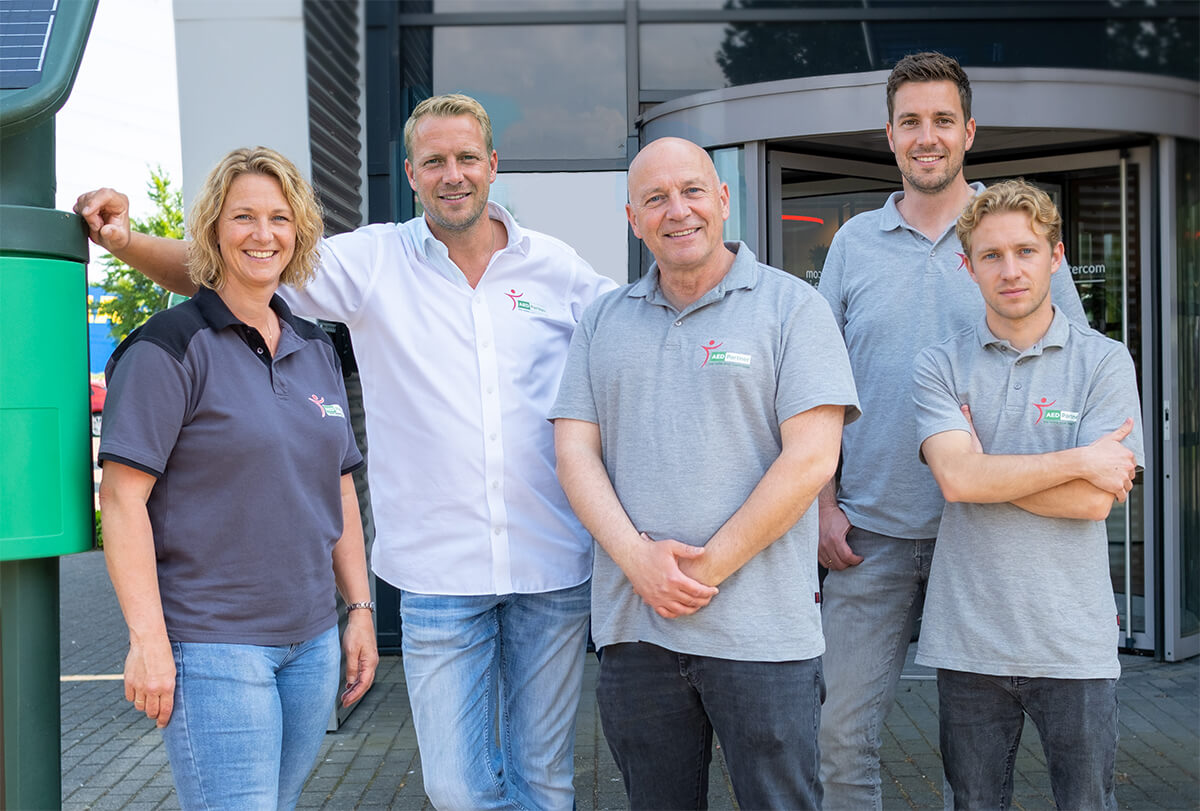
Five employees of AED-Partner pose for the entrance of the office

Thank you for your application!

Our team will contact you as soon as possible for personal, no-obligation advice tailored to your situation.