 NL
NL  BE
BE 
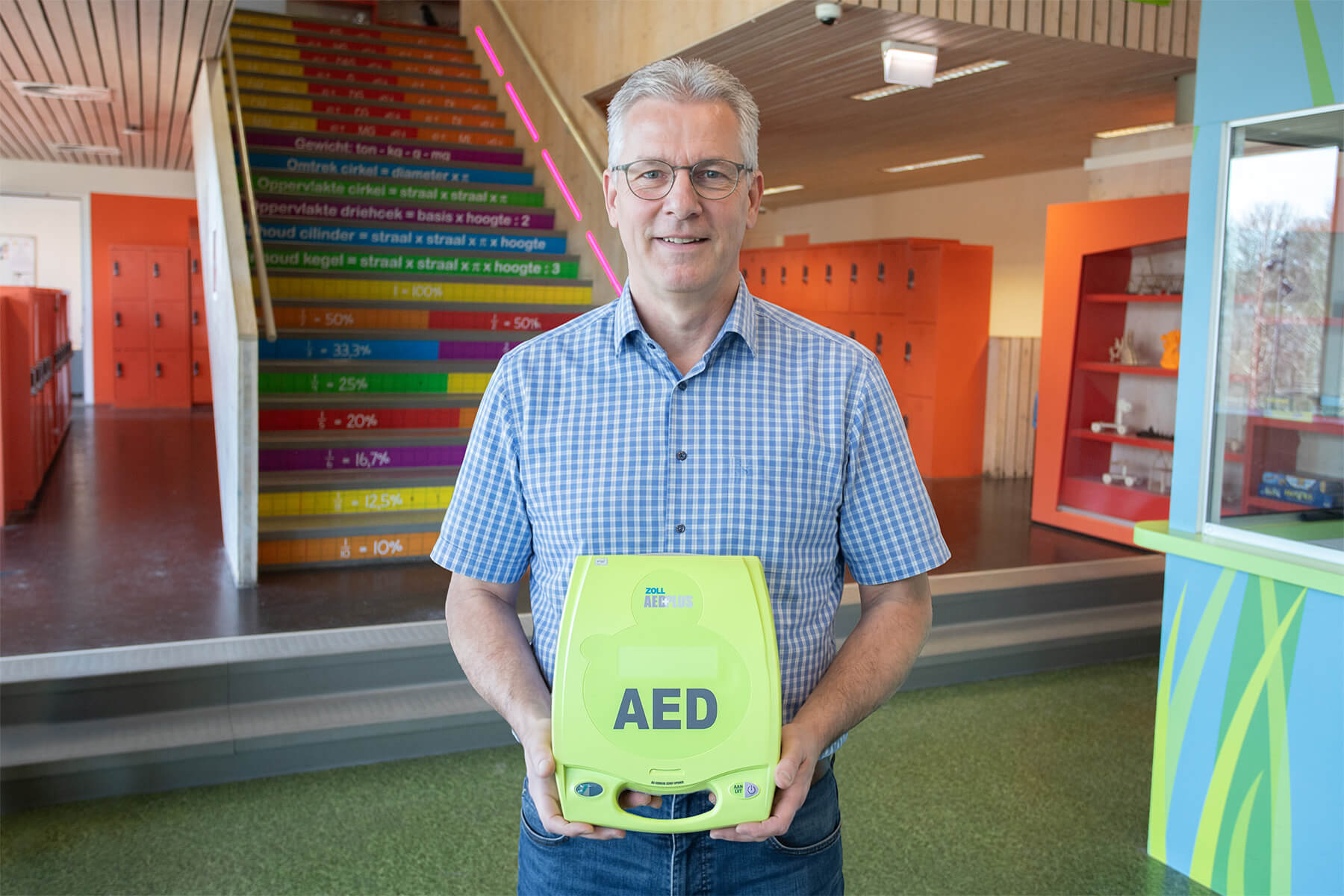
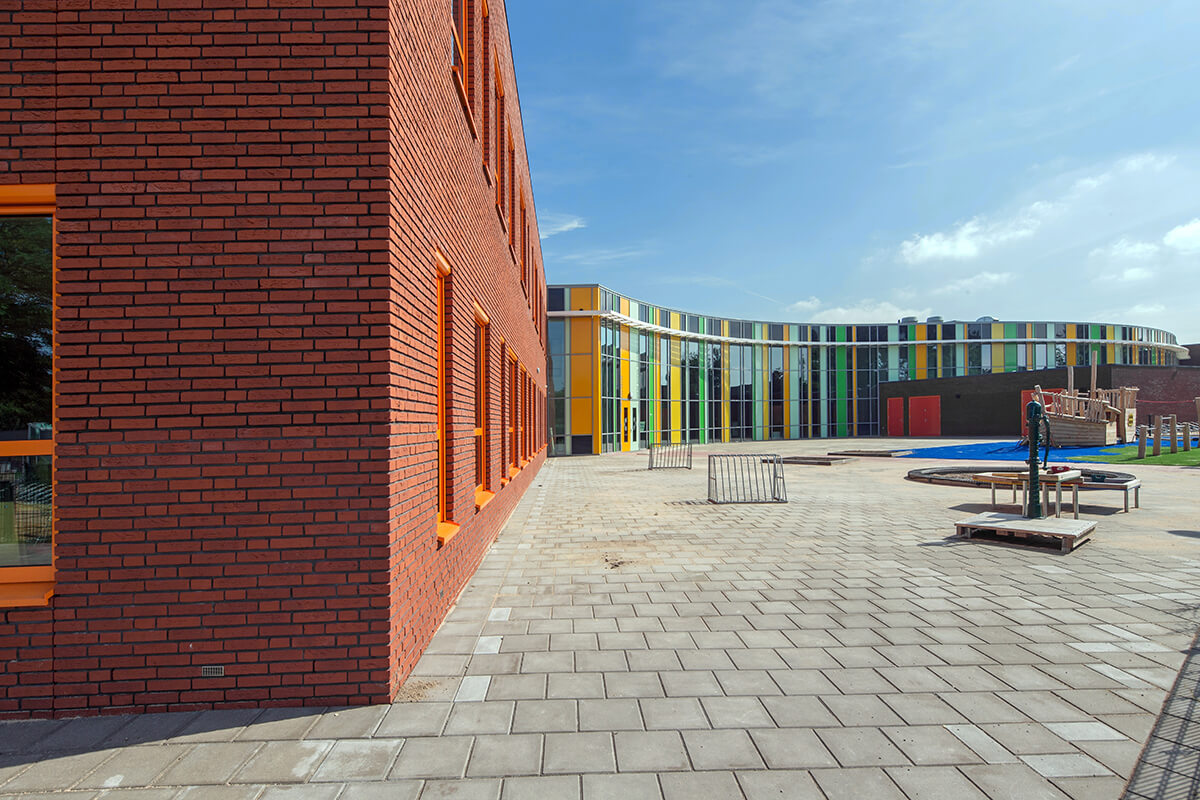
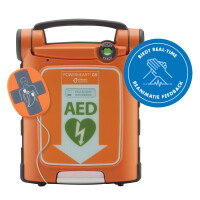
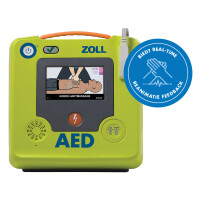
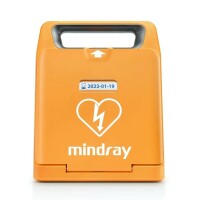
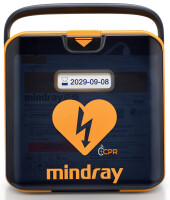
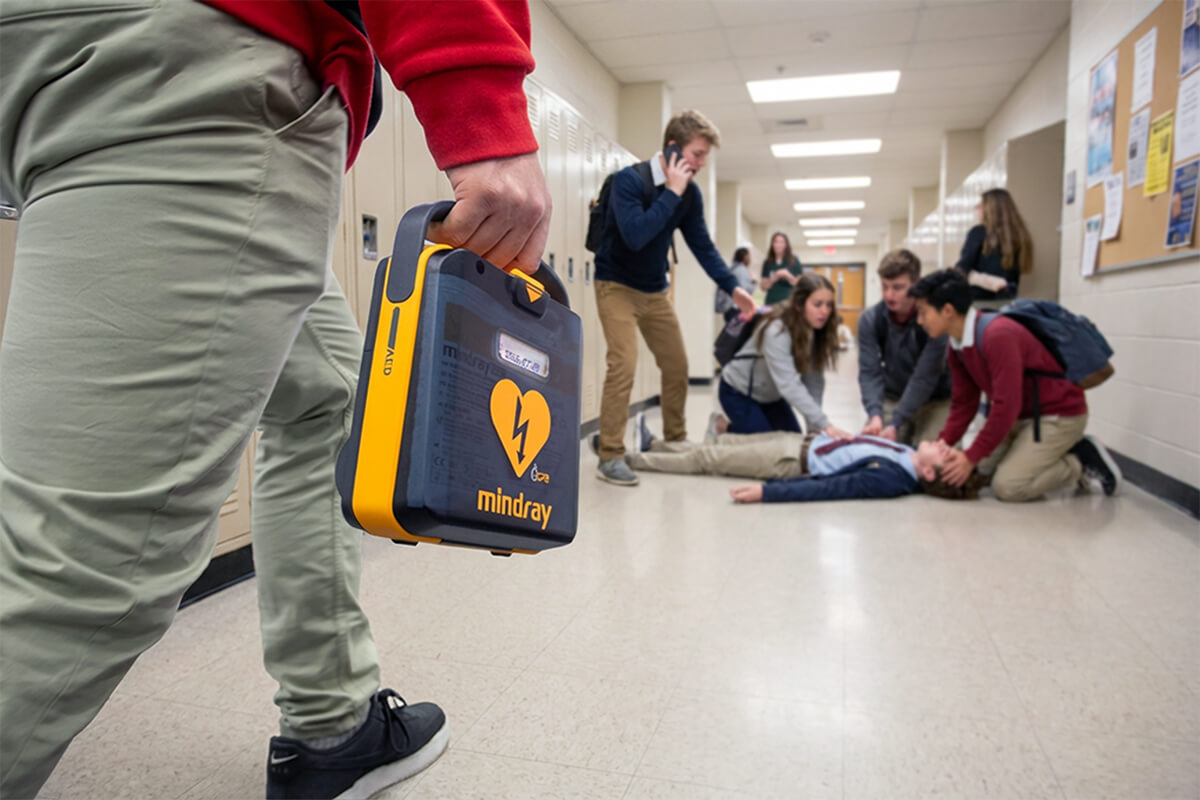
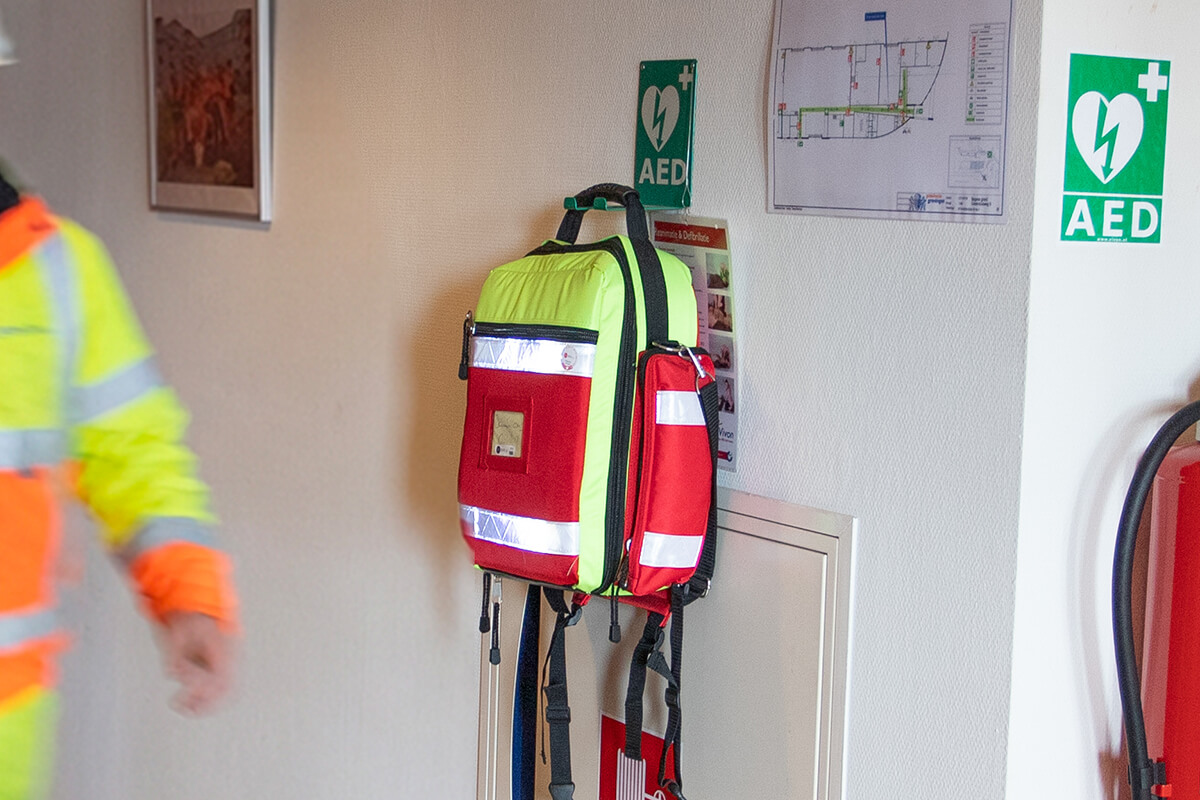
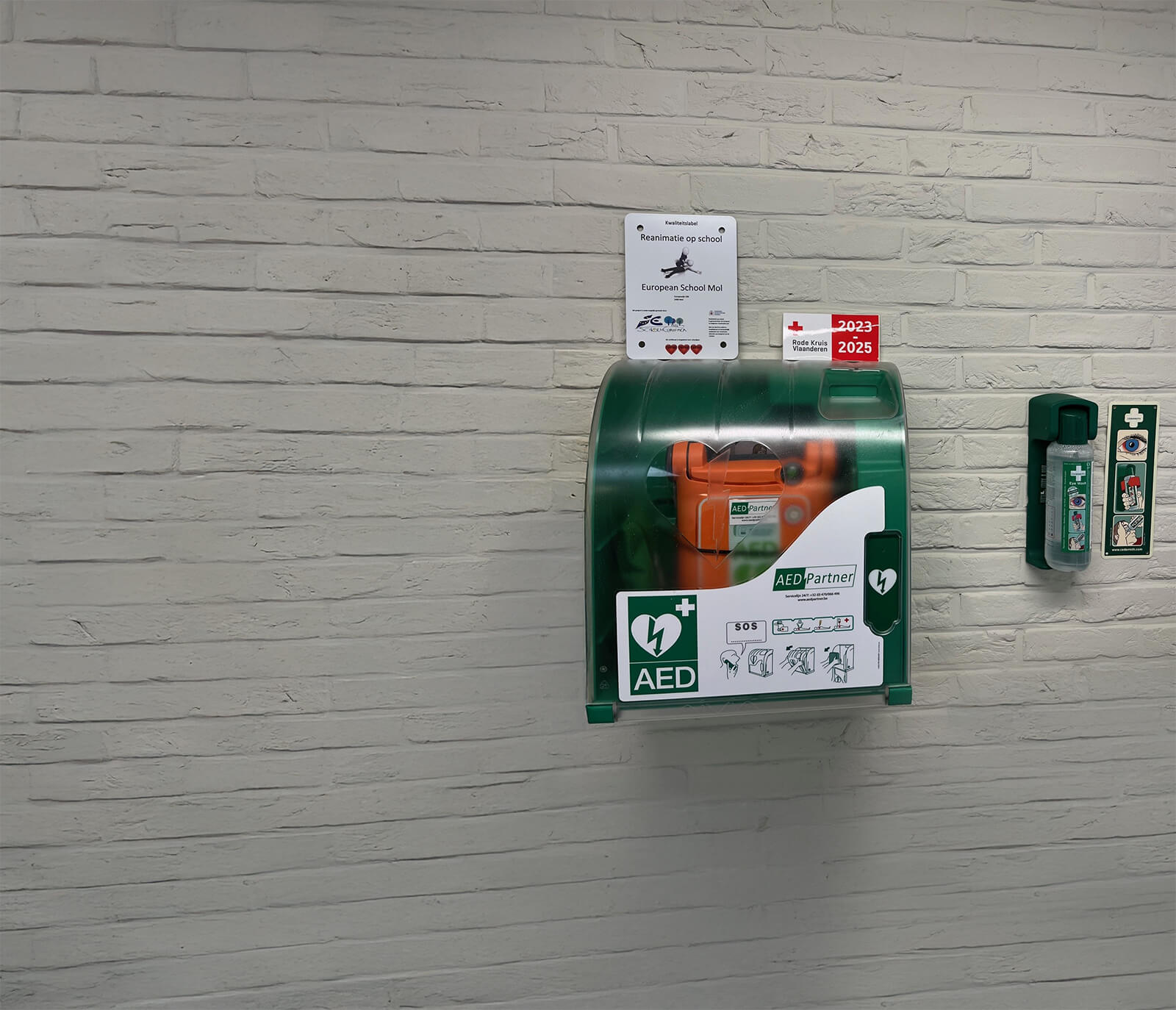
Schools often opt to install the AED indoors, near the main entrance or in the central hall. The key priority is ensuring the AED is clearly visible and quickly accessible. Installing it outdoors on the building's exterior makes the AED available outside school hours as well. We strongly recommend registering AEDs with the Dutch HartslagNu! This ensures that citizen responders in need can quickly find and retrieve the nearest AED. Together, we make the Benelux heart-safer!
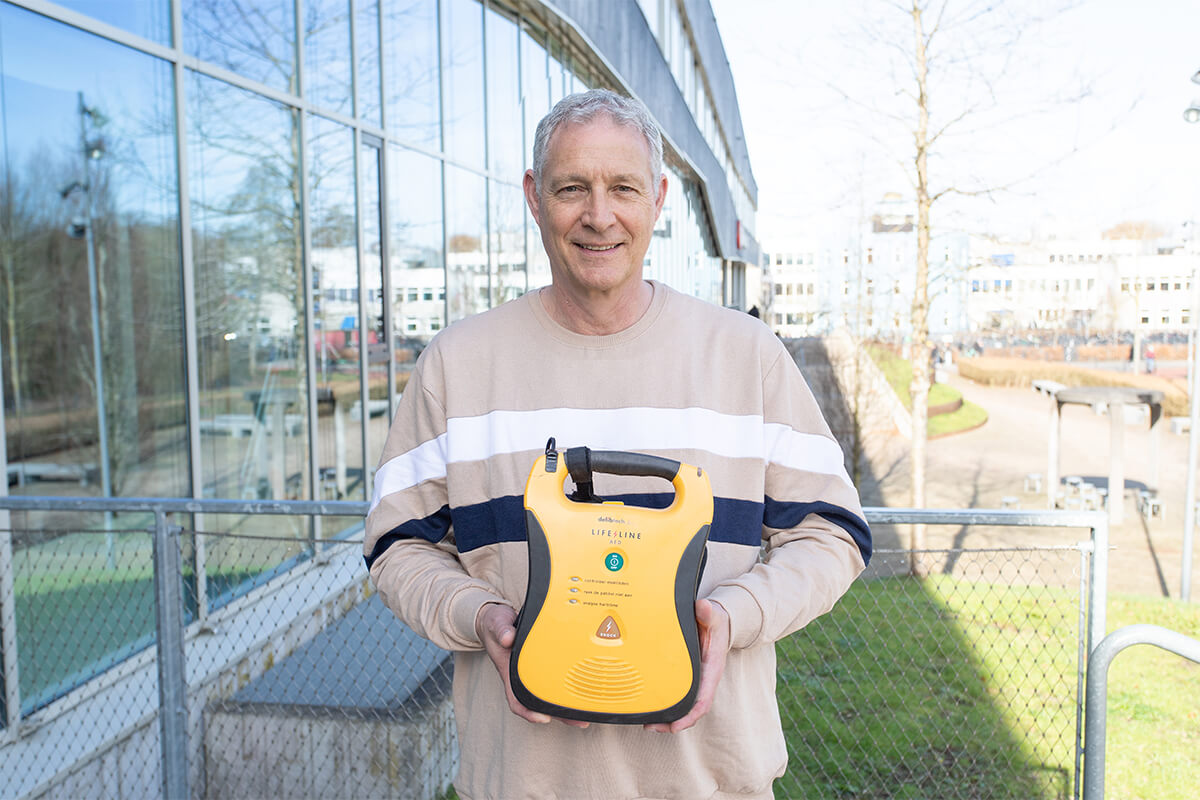
Children's electrodes are special pads that reduce the current level of the shock. You use them for children up to approximately 8 years old or up to a weight of 25 kilograms. Due to the smaller size of the electrodes and the lower energy level, the electric shock delivered by the AED is better suited to a child's smaller body.
You protect an AED by placing it in a sturdy outdoor cabinet. These cabinets are often made of impact-resistant material and are also available with extra security options, such as a PIN code lock or an alarm that goes off as soon as the cabinet is opened.
You can also prevent vandalism and theft by placing the cabinet in a conspicuous (busy) location within the view of cameras.
At AED-Partner you can also a theft insurance closing the deal. Is your AED stolen? Then we will ensure that you receive a replacement AED quickly.
In case of cardiac arrest*, an AED can deliver an electric shock to the heart to stimulate a normal heart rhythm. For using an AED on children younger than 8 years old or weighing less than 25 kg, we recommend child electrodes or an AED with a special child button or child key. This is not mandatory: in an emergency, you can also use adult electrodes and attach them to the child's chest and back.
In common parlance, people often speak of a ‘cardiac arrest’. Officially, it is referred to as circulatory arrest, because the heart is still beating (chaotically), but is no longer pumping blood.
A child button is a switch on the AED that directly adjusts the device for a child. For this, you do not need separate child electrodes; you use the universal electrodes. Sometimes it is not a button, but the AED has a special child key that activates the child mode.
Once you press the button or turn the key, the AED lowers the shock energy and adjusts its voice prompts for child resuscitation.
The rule of thumb is that you should be able to administer the first shock within six minutes. This means that an AED should be accessible within a roughly two-minute walk, so that you also have time to run back and connect the AED. For a large floor area with obstacles or corridors, multiple devices are therefore often necessary. Our Customer Service is happy to help you with no-obligation advice.
Cardiac arrest in children is fortunately rare. In the Netherlands, approximately 300 children per year need to be resuscitated outside the hospital. That is significantly less than for adults: an average of 300 per week.
A cardiac arrest in a child is life-threatening and often results from an acute respiratory or circulatory problem.
Source: Dutch Resuscitation Council
Usually, one AED for multiple floors is not sufficient. In the event of cardiac arrest, it is vital that the victim is connected to an AED within 6 minutes. If you have to go up or down stairs or use an elevator to another floor to find an AED, you may not make that 6-minute window. Therefore, for optimal cardiac safety, it is often better to place an AED on each floor, or at every other floor. Our Customer Service gladly thinks with you about an efficient distribution and placement of AEDs.
Yes, an AED is safe to use on children. For babies and children up to 8 years old (or weighing less than 25 kilograms), it is preferable to use special pediatric electrodes or a child button. If you do not have these options in an emergency, use the regular adult electrodes. In any case, always follow the AED's instructions.
Yes, anyone is allowed to and can use an AED. An Automatic External Defibrillator is designed so that it can be operated by anyone, even without medical knowledge or a first aid certificate. As soon as you turn on the device, a voice tells you exactly what to do. The AED analyzes the heart rhythm itself and only delivers a shock if it is truly necessary. So you cannot do it wrong. The 112 emergency call center also guides you through the entire resuscitation process.
This is not mandatory, but we strongly recommend it. This way, the 112 emergency center always knows where the nearest AED is. In the event of an emergency nearby, this allows civilian responders to immediately retrieve your AED and act to save a life.
For quick assistance, you can contact us by phone at +31 (0)499 49 00 16. Or leave your details via the form. Our staff are ready to assist you on working days between 8:30 and 18:00.
Netherlands
Ekkersrijt 4301, 5692 DJ, Son
+31 (0) 499 49 00 16
info@aedpartner.nl
Belgium
Everselstraat 133, 3580 Beringen
+32 (0)11 42 03 45
info@aedpartner.be
© AED-Partner 2026
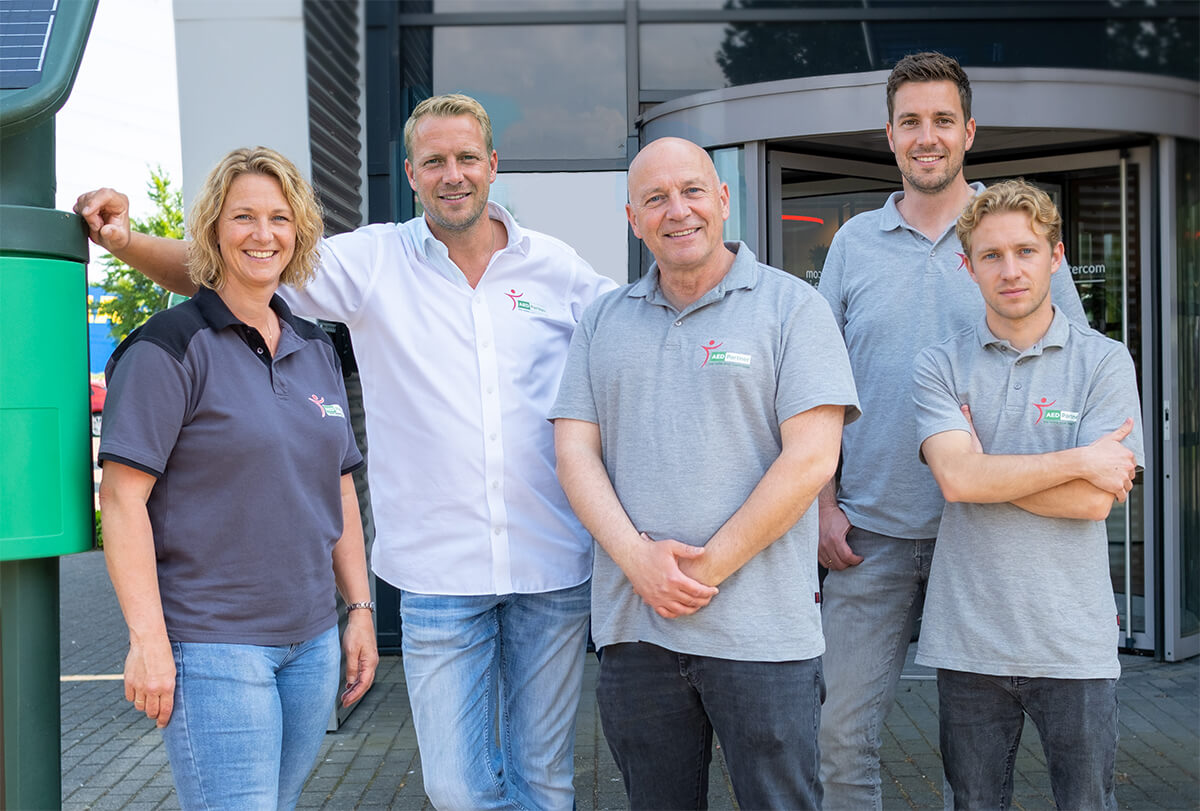
Our team will contact you as soon as possible for personal, no-obligation advice tailored to your situation.
 Dutch Dutch
  Dutch (Belgium)
 French
English (Belgium)
English (Netherlands)
French
English (Belgium)
English (Netherlands)