 NL
NL  BE
BE 
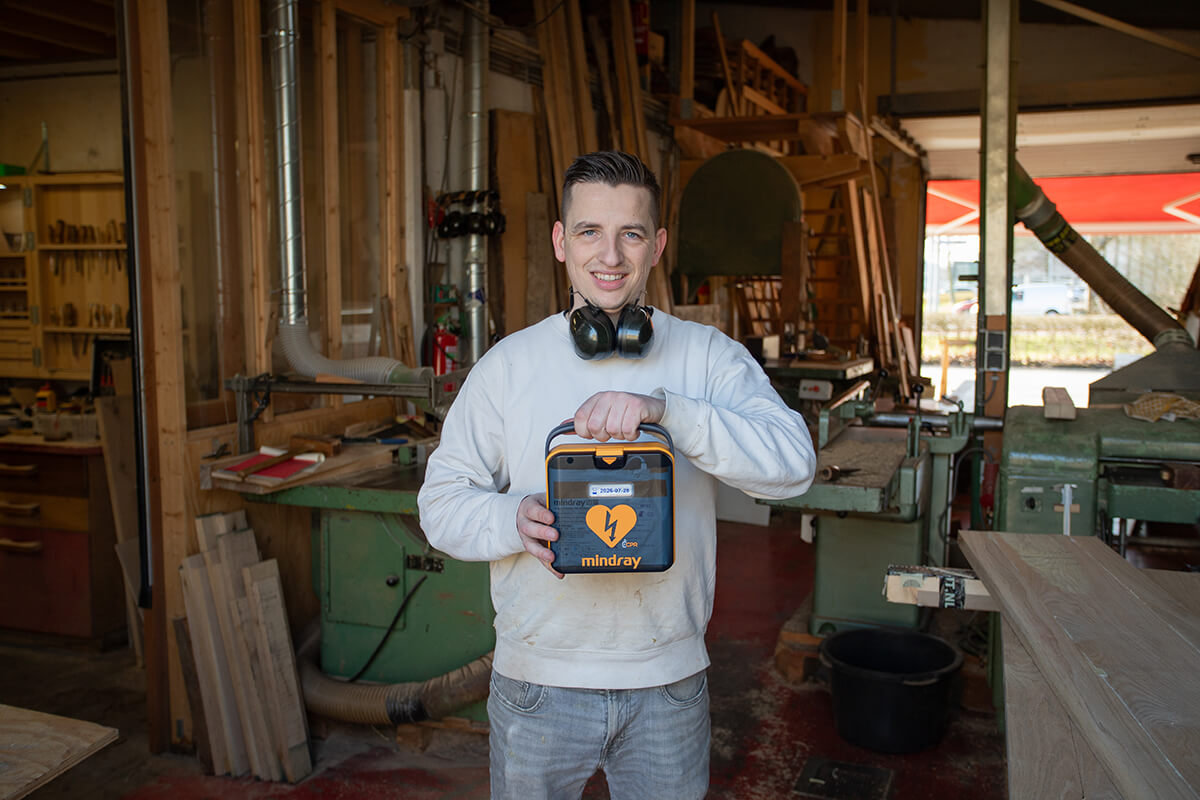
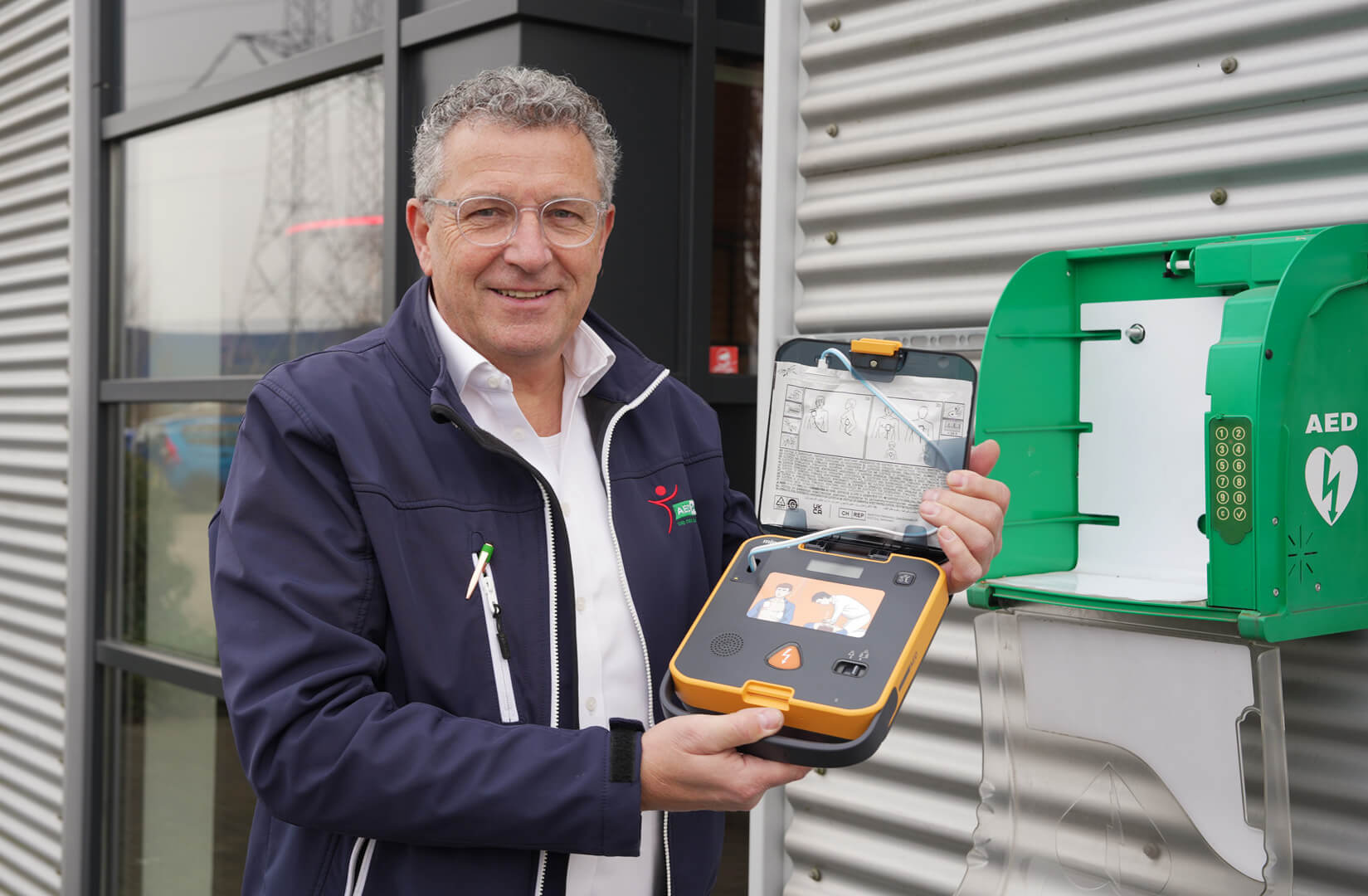





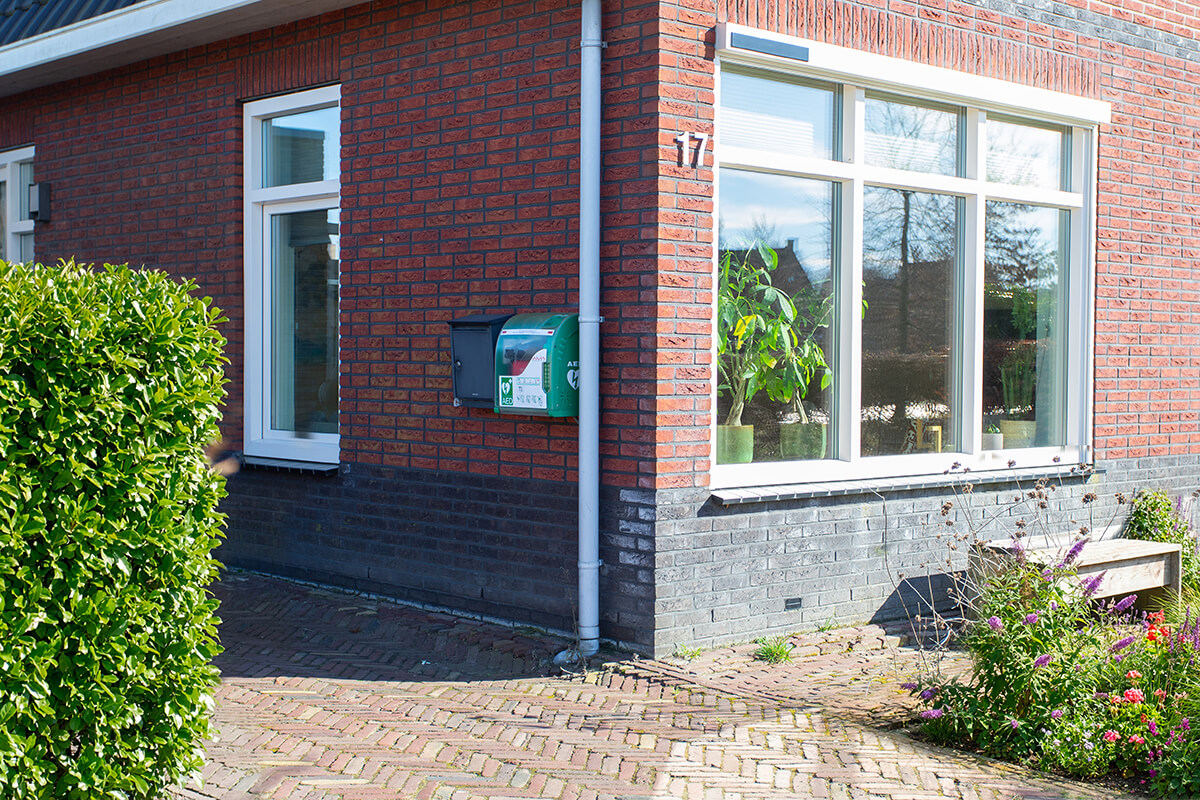
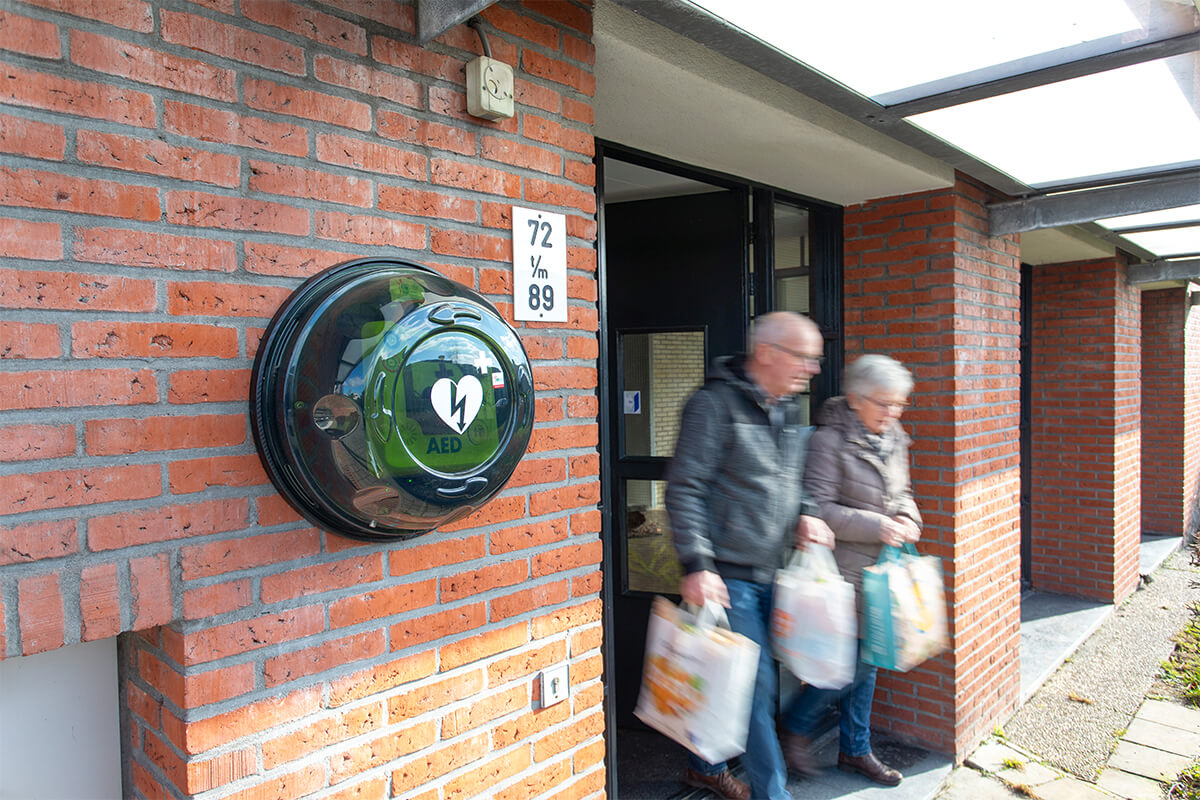
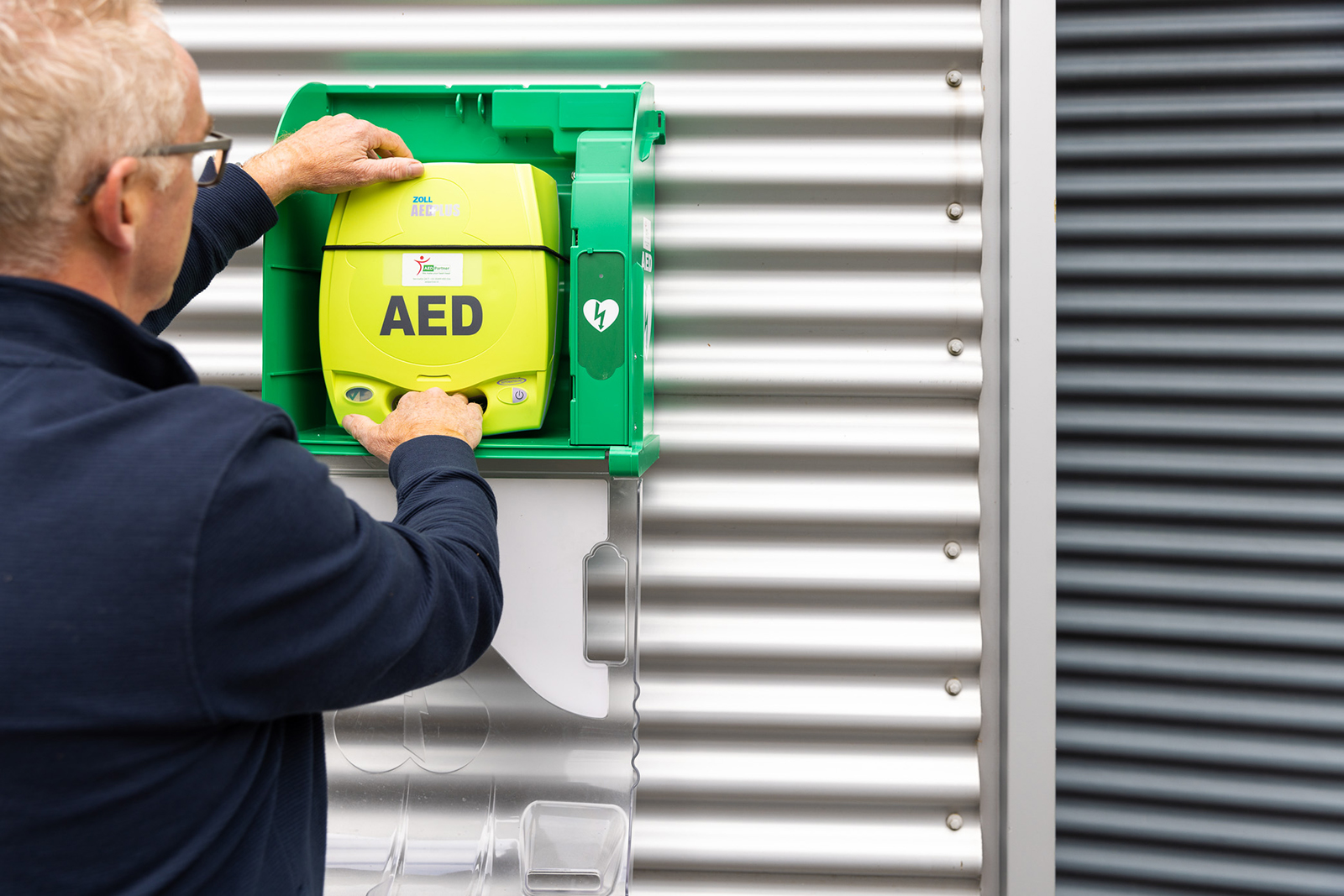
You protect an AED by placing it in a sturdy outdoor cabinet. These cabinets are often made of impact-resistant material and are also available with extra security options, such as a PIN code lock or an alarm that goes off as soon as the cabinet is opened.
You can also prevent vandalism and theft by placing the cabinet in a conspicuous (busy) location within the view of cameras.
At AED-Partner you can also a theft insurance closing the deal. Is your AED stolen? Then we will ensure that you receive a replacement AED quickly.
After the warranty period has expired, the manufacturer can no longer guarantee the proper functioning of the AED, even if the AED has never been used. This is partly because components can weaken due to the self-tests performed. General aging and external factors such as temperature fluctuations, humidity, and dust can also cause the reliability of the AED to decrease. This creates a risk that an AED may not function properly during deployment. Therefore, we recommend replacing the AED after 10 years at the latest.
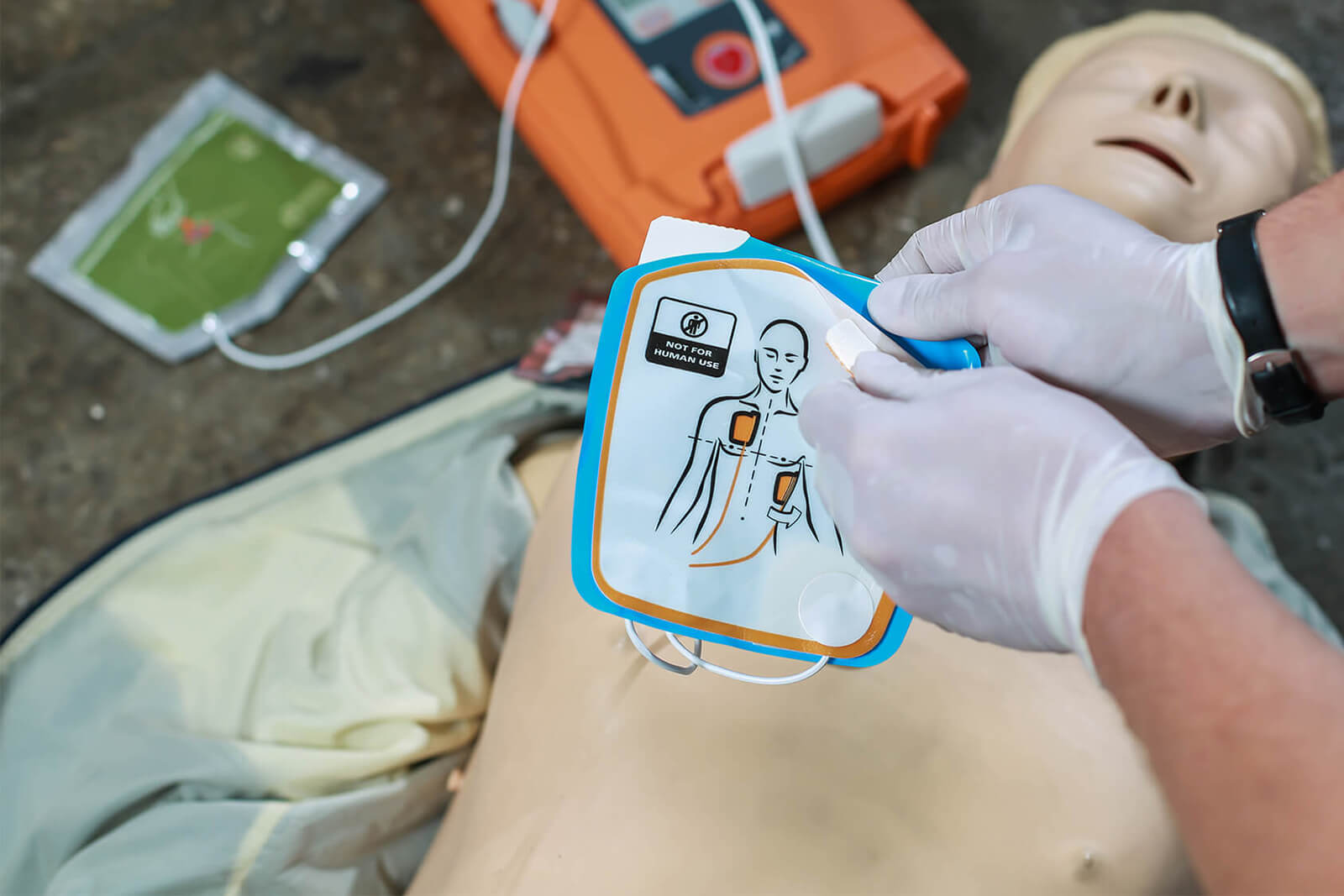
Yes, an AED is safe to use on children. For babies and children up to 8 years old (or weighing less than 25 kilograms), it is preferable to use special pediatric electrodes or a child button. If you do not have these options in an emergency, use the regular adult electrodes. In any case, always follow the AED's instructions.
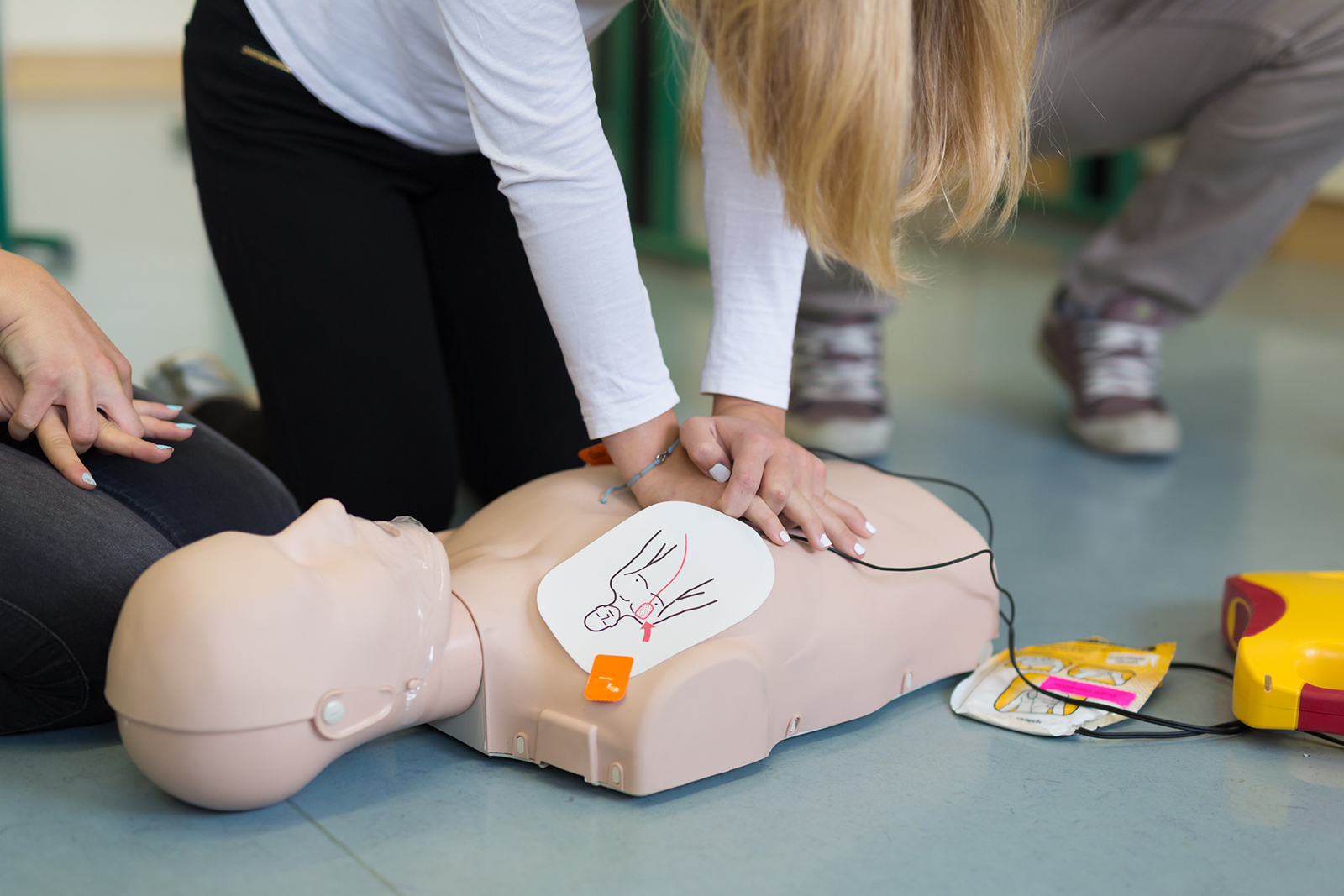
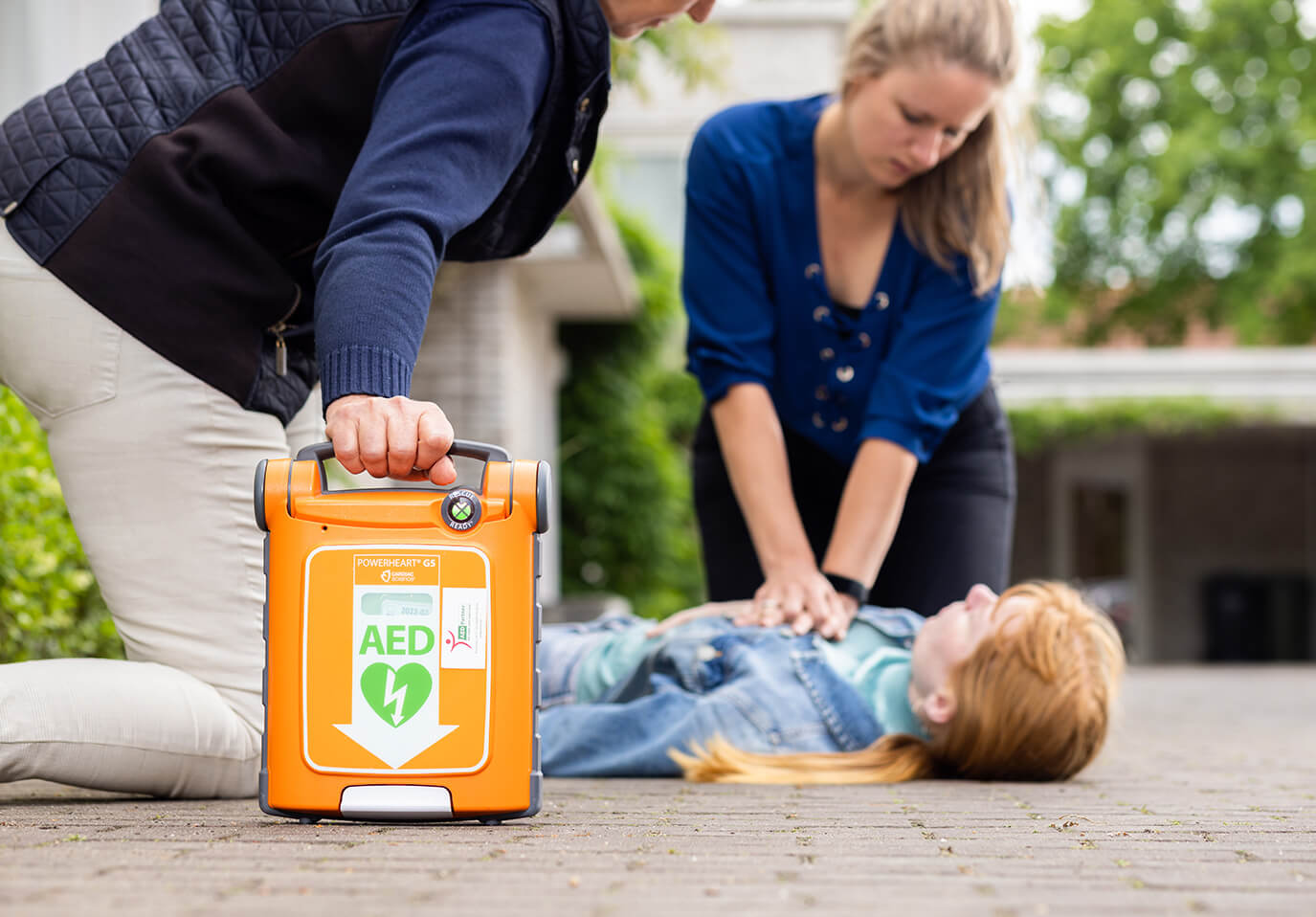
Good news: you can't use an AED incorrectly. An AED guides you, as a first responder, step by step through all the actions. For example, you'll receive tips on the rhythm of chest compressions, and the AED will tell you how to attach the electrodes.
In addition, each AED is designed so that it can only deliver a shock if a shockable rhythm has been measured. This applies to both semi-automatic and fully automatic AEDs.
Most public AEDs are registered in the system of the Dutch HartslagNu. Check the . for a recent overview website or in the app from HartslagNu.
Please note that many AEDs are located indoors and are only accessible during office hours. An outdoor cabinet makes an AED available to the neighborhood 24/7.
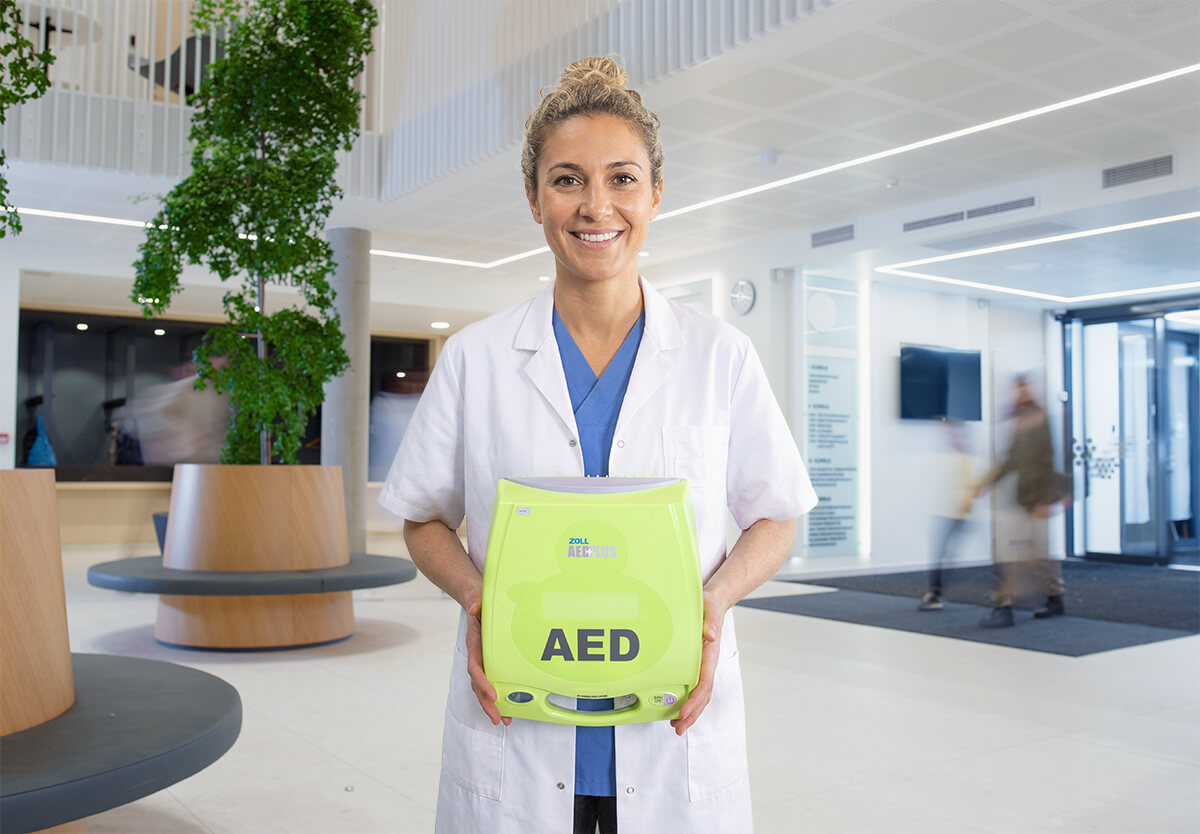
Everyone! AEDs are designed so that experienced and inexperienced rescuers can and are allowed to use them.
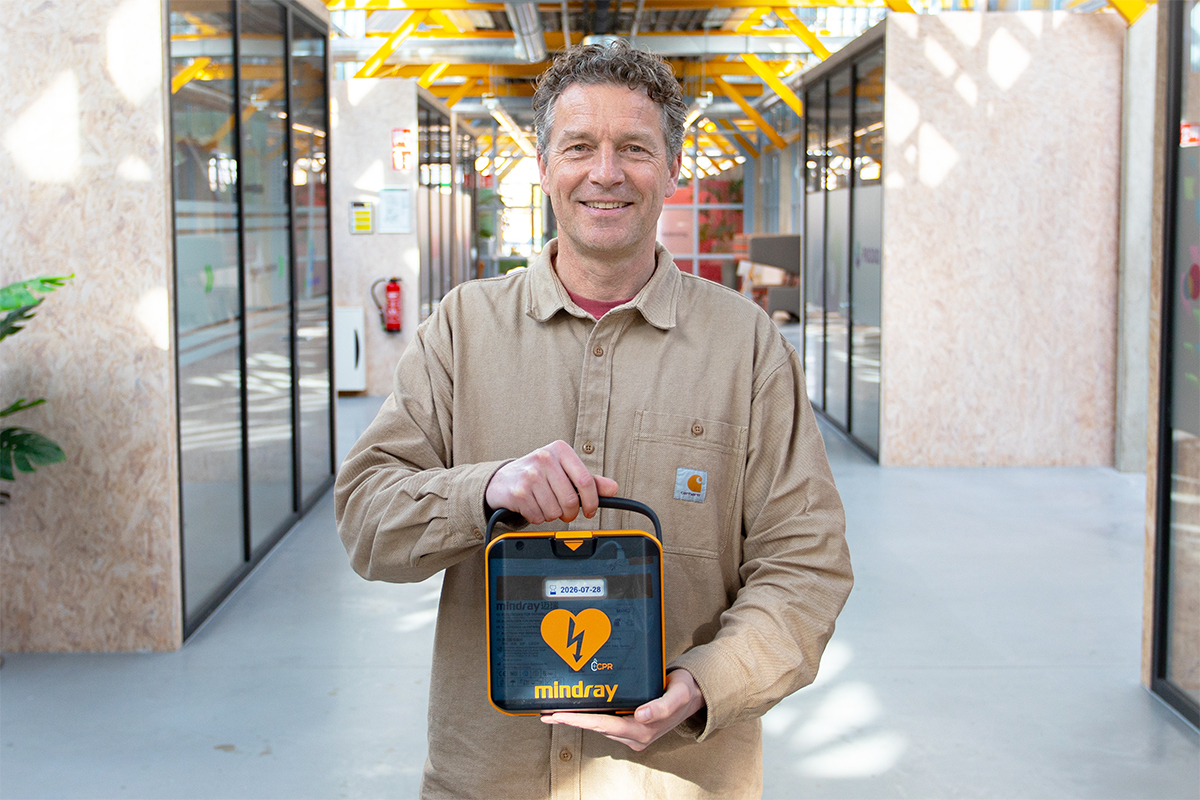
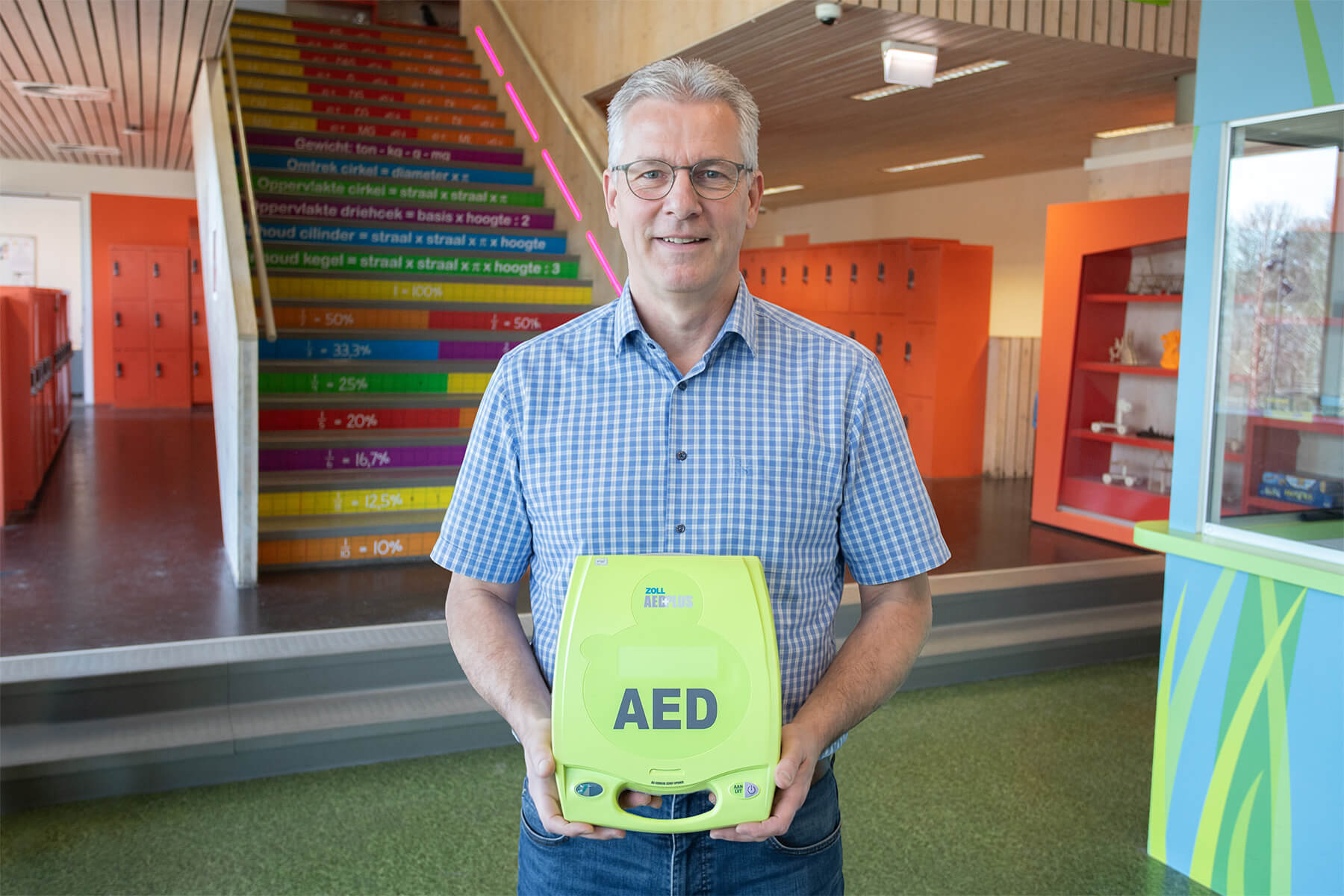
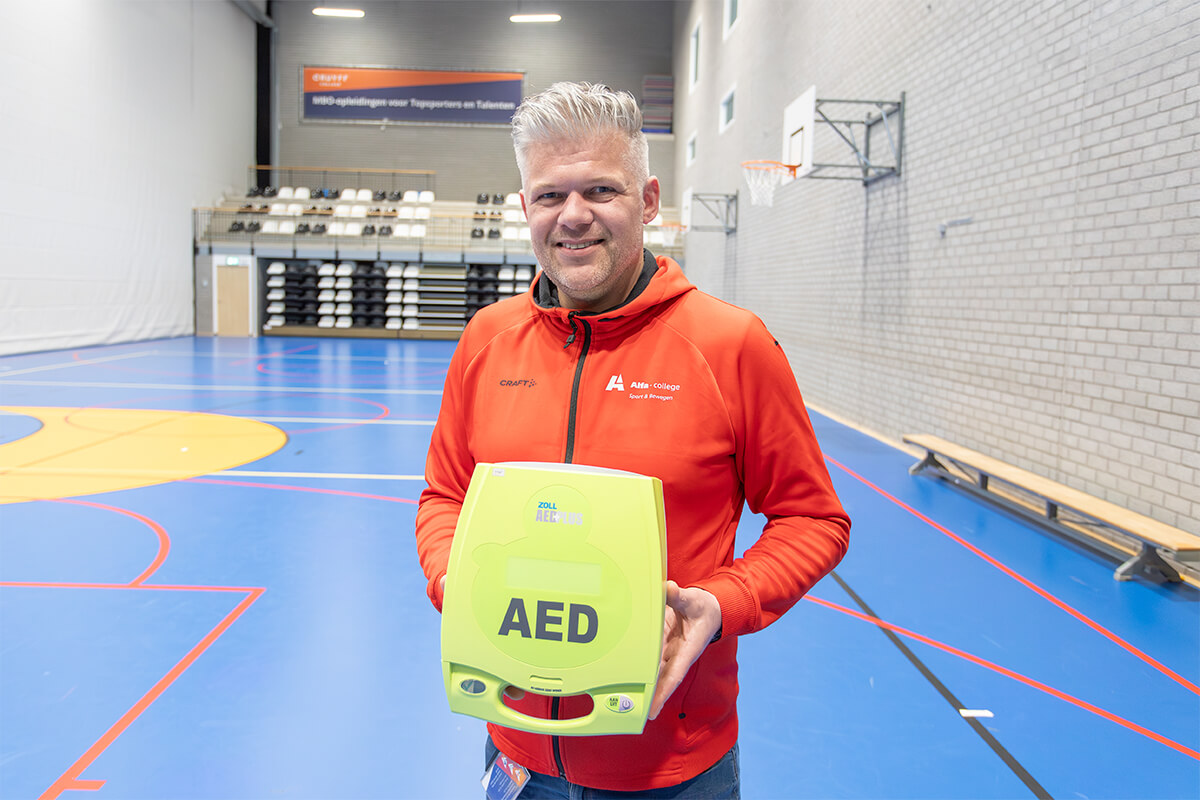
AEDs are very user-friendly and guide you through all CPR steps with (spoken and/or visual) instructions. Even if you have never seen or used an AED before, you can use an AED in an emergency and thus save a life!
In the event of cardiac arrest*, speed is of vital importance. The sooner bystanders start resuscitating, the greater the victim's chance of survival. That is why the term "6-minute zone" is often used: ideally, you can always find an AED within 6 minutes and bring it to the victim.
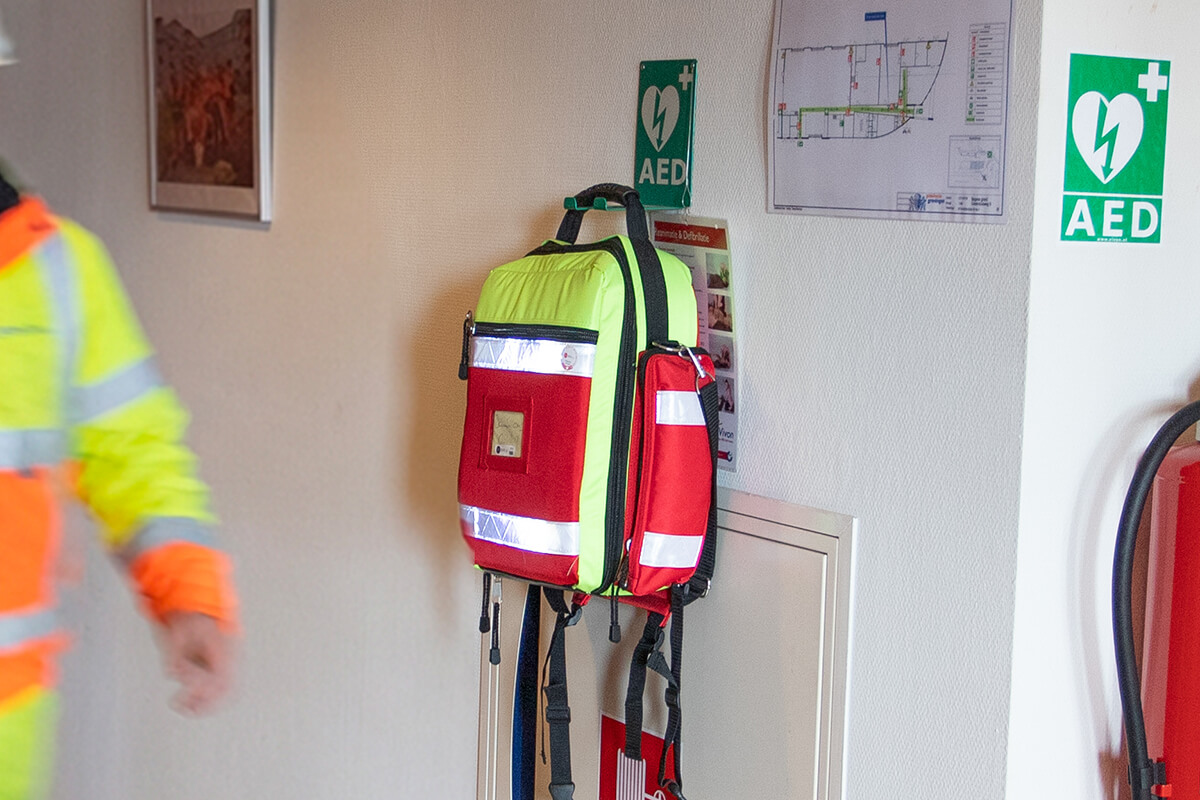
Would you like to contribute to a comprehensive AED network and the 6-minute zone? Then it's a good idea to think about the placement of your AED. For example, is the AED located in a busy place and is it easily found with signage? And also consider the accessibility of your AED. Can you quickly grab the AED in an emergency, or is it locked away? By smart placement, you can save even more lives with your AED. Do you have questions about the right location for your current or planned AEDs? Our Customer Service is happy to help you!
In common parlance, people often speak of a ‘cardiac arrest’. Officially, it is referred to as circulatory arrest, because the heart is still beating (chaotically), but is no longer pumping blood.
An AED will only shock the heart if it is absolutely necessary and the AED detects a shockable rhythm. The AED will not deliver a shock if the heart is still working and the victim is, for example, unconscious, or if the heart has stopped beating altogether.
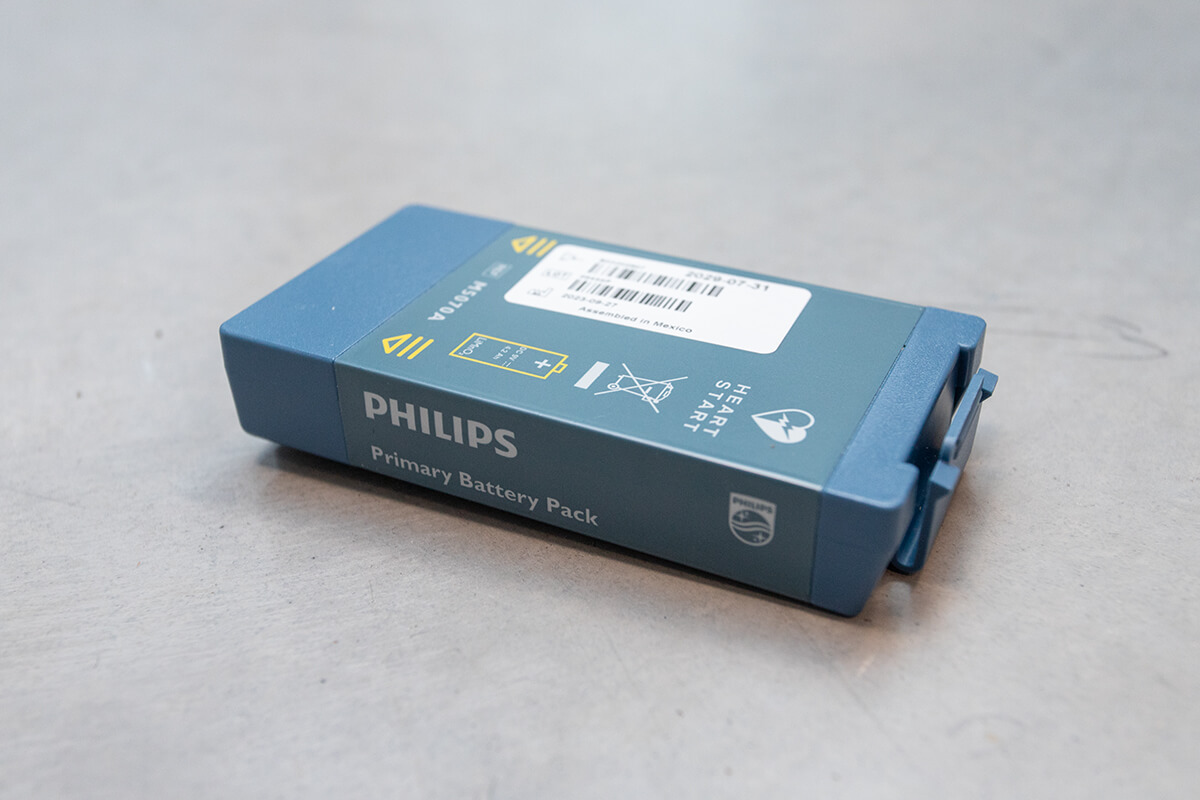
Without maintenance, it is highly likely that an AED will not function properly in an emergency. The most common problems with neglected maintenance are dead batteries or dried-out electrodes. This can prevent the AED from delivering a life-saving shock.
Besides this medical risk, you as an owner run a legal risk. In case of negligence, you can be held liable because you fail to meet your duty of care. Therefore, it is important that you regularly check and maintain an AED. You can outsource this care by taking out a service subscription with AED-Partner. This way, you can be sure that your AED is always ready for use.
No, in the Netherlands, there is no specific legal obligation for the inspection of an AED. However, manufacturers recommend maintenance to ensure the AED's operability during resuscitation.
Although the law does not prescribe an annual inspection, as a manager or employer you are responsible for ensuring that your AED is always in good working order. This means, among other things, that you must replace the batteries and electrodes in a timely manner and carry out any software updates. If you do not do this, dried-out electrodes or a depleted battery can render the AED unusable at a critical moment.
You can completely outsource the maintenance of your AED by service subscription to conclude with us. This way, you are always assured of a working device. Do you buy an AED from AED-Partner? Then you always get the first year of maintenance for free!
For quick assistance, you can contact us on weekdays between 08:30 and 17:00 by calling +31 (0)499 49 00 16. You can also leave your details below. We will then call you back within one business day.
Netherlands
Ekkersrijt 4301, 5692 DJ, Son
+31 (0) 499 49 00 16
info@aedpartner.nl
Belgium
Everselstraat 133, 3580 Beringen
+32 (0)11 42 03 45
info@aedpartner.be
© AED-Partner 2026
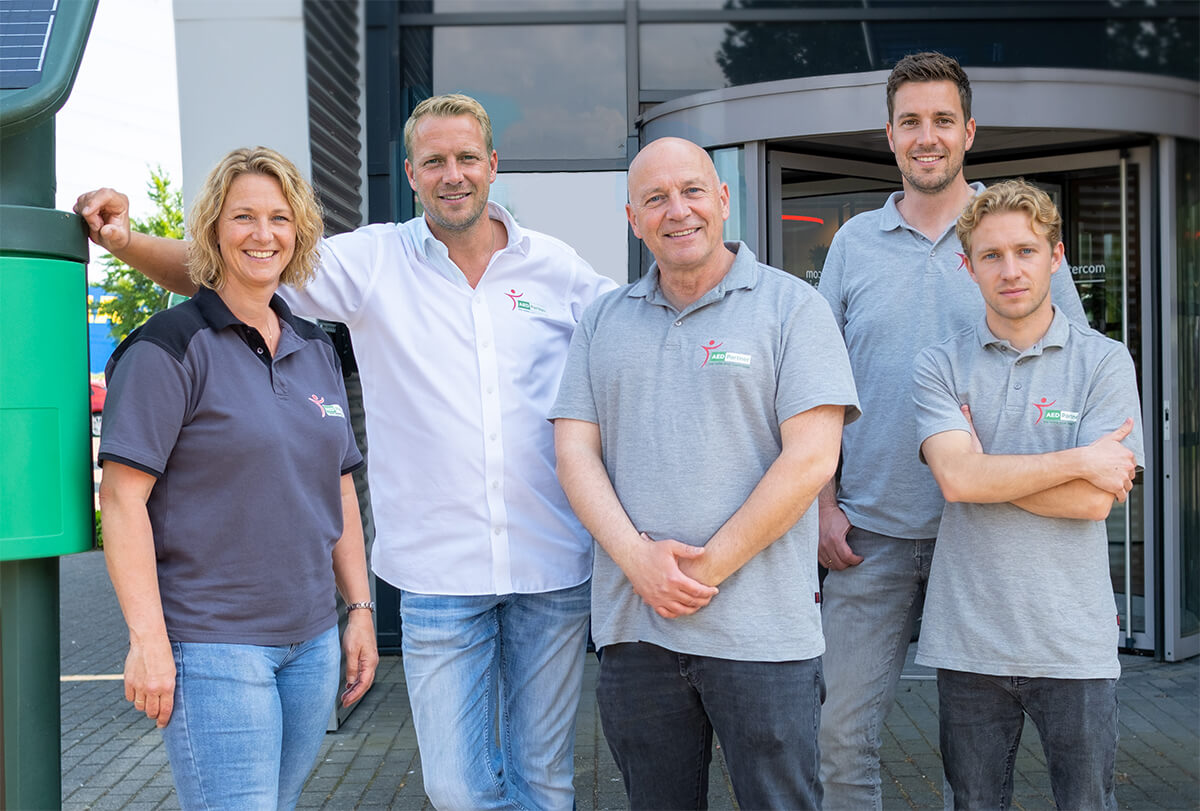
Our team will contact you as soon as possible for personal, no-obligation advice tailored to your situation.
 Dutch Dutch
  Dutch (Belgium)
 French
English (Belgium)
English (Netherlands)
French
English (Belgium)
English (Netherlands)